Asphalt Drainage Problems Wisconsin Homeowners Cannot Ignore
If you see puddles sitting on your driveway after a storm, you are already dealing with asphalt drainage problems Wisconsin residents know all too well. Standing water is more than an eyesore. It speeds up cracking, weakens the base, and shortens the life of your blacktop. In our freeze and thaw climate, even small puddles can become big problems by spring. Armored Asphalt helps homeowners and businesses in southeast Wisconsin and northeast Illinois find the source of drainage issues, fix them the right way, and prevent costly repairs down the road.
When it comes to water management, asphalt is only as strong as its drainage plan. If you handle the water, your pavement lasts longer, looks better, and stays safer for drivers and pedestrians. If you ignore it, you invite heaving, potholes, and base failure. This guide explains how to spot issues early, what causes them in our region, and the proven solutions Armored Asphalt uses to restore proper drainage for driveways and parking lots.
Why Standing Water Damages Asphalt in Wisconsin
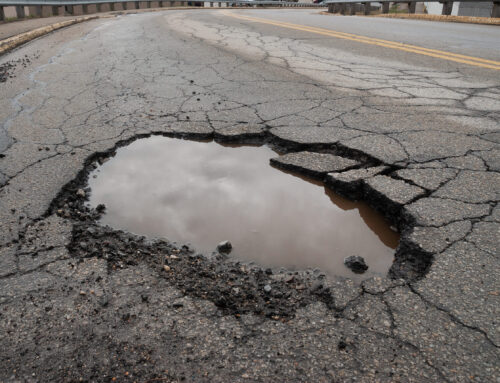
Water is the number one enemy of asphalt. When moisture seeps through cracks or along edges, it reaches the stone base that supports your pavement. In Wisconsin, repeated freeze and thaw cycles expand that water into ice, then melt it, then refreeze it. That movement shifts the base, loosens the bond between layers, and creates voids under the surface. The result is alligator cracking, depressions, and potholes that spread with each storm and each winter.
Even in warm months, puddles soften asphalt binders and push fine particles out of the surface under tire pressure. Over time, those areas wear thin and form birdbaths that hold more water after every rain. Once a low spot forms, damage speeds up. The longer water sits, the faster your driveway or lot fails.
Common Causes of Asphalt Drainage Problems in Wisconsin
Many issues can lead to standing water. Some start at installation, others develop with age or weather. Armored Asphalt evaluates each site to find the root cause before recommending a fix.
- Insufficient slope or crown. A driveway should move water toward the street, a swale, or a drain. Parking lots need a slight crown or a consistent pitch to direct water to inlets. If slope is too flat, puddles form.
- Settling and base failure. If the base was not compacted correctly or becomes saturated, sections of asphalt settle and create depressions.
- Poor transitions. Areas where your driveway meets the garage, sidewalk, or street can trap water if heights are off or if the seam has settled.
- Clogged or misplaced downspouts. Gutters that discharge onto the driveway keep it wet and erode edges. In winter, this creates ice sheets and accelerates deterioration.
- Blocked drains or inlets. Catch basins and trench drains fill with debris and stop moving water away from the surface.
- Edge raveling. When edges are not supported by soil or curb, water sneaks under the mat and undermines the base.
- Tree roots and subgrade movement. Roots lift the pavement in one spot and cause a birdbath nearby. Expansive soils can also move with moisture changes.
Early Warning Signs to Watch For
Catch these early signs and you can often prevent major repairs. If you notice any of these issues, it is time to schedule an inspection with Armored Asphalt.
- Puddles that last more than a few hours after rain
- Shiny or blackened areas that look wet long after the rest of the surface dries
- Alligator cracking, especially around low spots
- Rutting or depressions in wheel paths
- Edge breakdown and crumbling along the sides
- Efflorescence or white staining near seams and joints
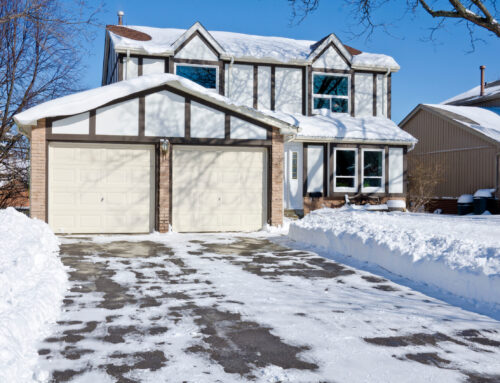
- Icy patches that linger while surrounding areas thaw
What to Do Right Now if You See Puddles
Some immediate steps can limit damage while you plan a long-term solution.
- Clear debris from nearby drains, gutters, and inlets so water can move off the surface.
- Redirect downspouts away from the pavement with extensions.
- Avoid parking heavy vehicles on low spots after rain.
- Mark dangerous depressions to prevent slips and trips.
- Call Armored Asphalt for a drainage evaluation and a maintenance plan.
Proven Fixes for Asphalt Drainage Problems
There is no one-size solution. The right fix depends on the cause, the severity, and your budget. Armored Asphalt’s local experience helps us choose the most effective option for your driveway or lot.
Regrading and Resloping
If the pitch is wrong, we adjust it. For driveways and small lots, we can mill high areas and add new asphalt to build a better slope. For larger commercial sites, we may reshape sections to restore the crown and create defined drainage paths toward inlets or swales. Proper slope is the foundation of long-term performance.
Skin Patching vs Structural Patching
Not all patches are equal. A thin surface patch over a depression often fails because the low spot still collects water. Armored Asphalt removes damaged sections, rebuilds the base if needed, and installs hot mix patches at the correct grade so water sheds properly. In winter, we can use cold patch as a temporary measure, including patches up to about 10 by 20 inches, then return for a durable hot mix repair in warmer weather.
Overlay With Leveling Course
When the base is solid but the surface is uneven, a leveling course followed by an overlay can smooth low areas and reestablish proper pitch. We use a compacted leveling lift to correct dips, then place a uniform wear layer for a clean, long-lasting finish.
Drainage Additions
Some properties need new features to move water off the pavement.
- Trench drains at garage doors or along flat aprons
- French drains along edges to intercept water that runs onto the driveway
- Curb cuts and swales that guide water to safe discharge points
- Catch basin adjustments to raise or lower inlets to the proper height
Crack Filling and Edge Stabilization
Open cracks act like funnels that feed water to the base. Armored Asphalt uses high-grade rubberized crack-fill to seal active cracks. This reduces water infiltration and extends the life of the pavement. We also stabilize edges by rebuilding shoulders or adding curbing so water cannot sneak under the mat.
Sealcoating for Protection
Sealcoating does not fix drainage by itself, but it protects your investment once grading and repairs are complete. Armored Asphalt applies a two-coat system that shields the surface from water, UV rays, and chemicals. With a quality sealcoating schedule, most pavements last about twice as long between major repairs.
Why the Wisconsin Climate Makes Drainage a Must
Our region experiences wide temperature swings, lake-effect storms, and regular freeze cycles. Water expands about nine percent when it turns to ice. That expansion puts force on cracks and gaps in your pavement. Once the ice melts, the voids it leaves behind weaken the structure. Repeated cycles make those voids grow. Good drainage reduces the water that can freeze inside your asphalt, which is why fixing drainage early is the best money you can spend on your driveway or lot.
Our Process: From Inspection to Dry, Durable Pavement
Armored Asphalt follows a clear process to diagnose and solve asphalt drainage problems Wisconsin property owners face every season. You get a plan that fits your property, timeline, and budget.
- On-site evaluation. We walk the site, measure slope and elevations, identify low spots, and check edges, cracks, and base conditions.
- Moisture mapping. We look at how water flows during or right after rain, and we review where downspouts discharge.
- Cause and effect. We confirm whether the issue stems from slope, base settlement, poor transitions, or external water sources.
- Plan and proposal. You receive a clear scope with options like regrading, patching, overlay, drainage additions, crack filling, and sealcoating.
- Execution. Our crew completes repairs with attention to pitch and compaction so water sheds as designed.
- Follow-up maintenance. We recommend a maintenance schedule to keep water out and extend pavement life.
Residential Driveways vs Commercial Parking Lots
Driveways and parking lots share the same principles, but their drainage needs can be different.
Driveways
A driveway should move water away from the garage and home. Downspouts should not discharge onto the blacktop. Small depressions near the garage door often call for a trench drain or a regraded apron. Sealcoating and regular crack filling are essential to keep water out of the base.
Parking Lots
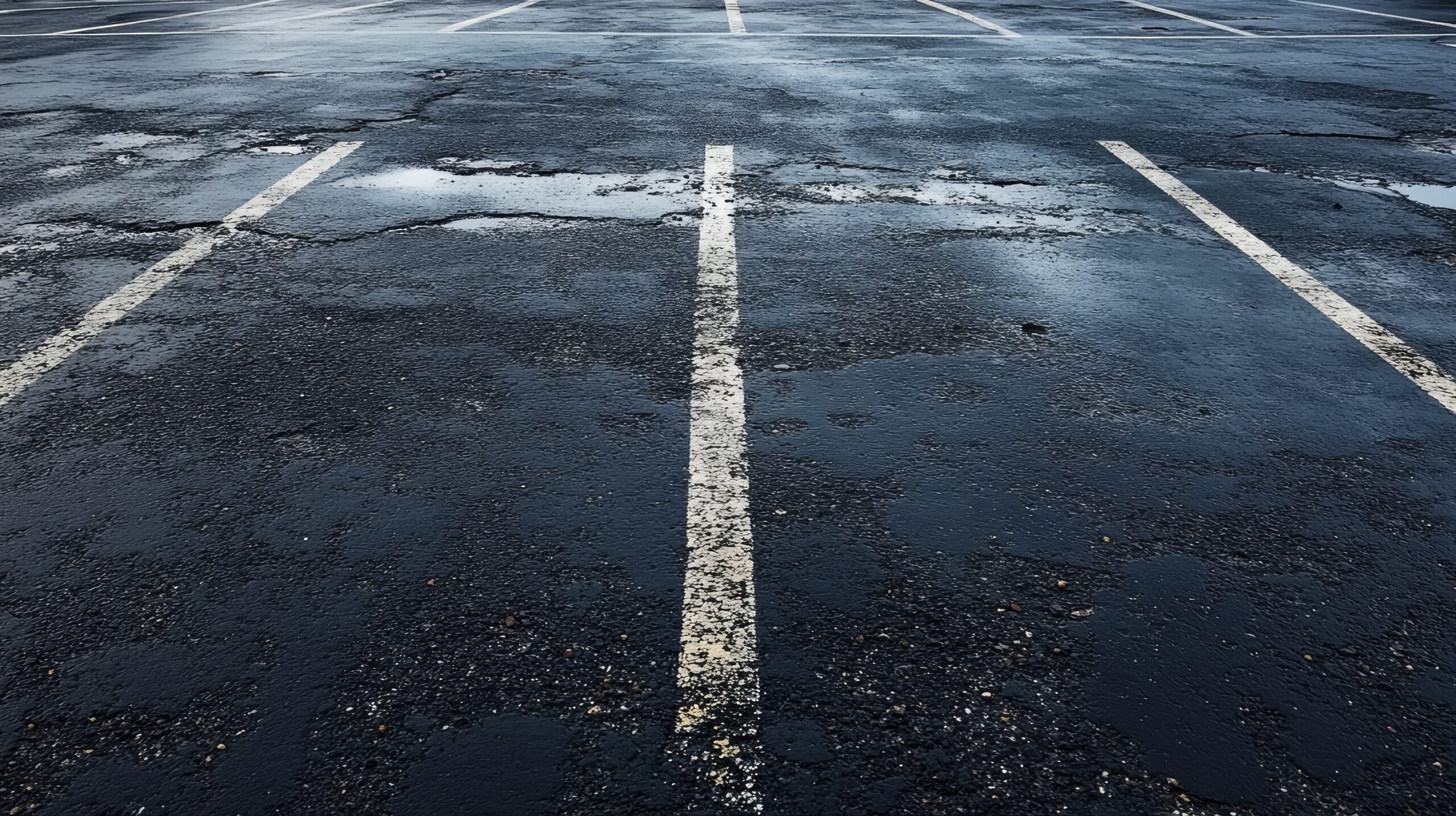
Lots need a network of slopes and inlets that collect and move water without ponding. Striping should complement the drainage plan by guiding cars away from problem areas. Armored Asphalt includes pavement striping in our commercial maintenance packages after we repair and seal your lot so the layout meets your parking specs and ADA needs.
Maintenance Tips to Prevent Future Drainage Issues
Good habits help you avoid expensive repairs. Follow these tips to protect your asphalt.
- Keep gutters and downspouts clear and pointed away from pavement.
- Sweep debris away from drains and inlets after storms.
- Fill new cracks each year before winter to block water.
- Schedule sealcoating with Armored Asphalt on a regular cycle for added protection.
- Do not store heavy equipment in the same spot for long periods.
- Edge your lawn along the driveway or lot so turf does not creep over and trap moisture.
- Call for an inspection if you notice new puddles, rutting, or soft spots.
Armored Asphalt Services That Solve Drainage and Extend Pavement Life
Armored Asphalt is a local team based in Kenosha, serving homeowners and businesses across southeast Wisconsin and northeast Illinois. We specialize in asphalt that drains well, looks great, and lasts. Here is how we help.
- Paving. We install smooth, durable blacktop for driveways and parking lots with proper slope from day one. Good drainage starts at installation.
- Patching and pothole repair. Our hot mix patches provide long-lasting fixes that match the correct grade. Cold patch is available as a temporary winter solution, including repairs up to about 10 by 20 inches.
- Sealcoating. Our two-coat sealcoating service restores appearance and protection. With proper prep and crack sealing, your pavement can last twice as long between sealings.
- Crack filling. We use high-grade rubberized material to seal cracks before sealcoating and before each winter season, which prevents water from reaching the base.
- Pavement striping. After repairing and sealing commercial lots, we stripe to your specs so traffic flows safely and efficiently.
- Snow plowing. In Kenosha, Pleasant Prairie, and Racine, we provide commercial snow plowing to keep access safe and reduce refreeze on your pavement. Smart plowing helps prevent ice dams that trap water and cause damage.
Local Expertise You Can Trust
As a local company, Armored Asphalt understands the unique challenges of asphalt drainage problems Wisconsin properties face. We work in Kenosha, Pleasant Prairie, Paddock Lake, Salem, Burlington, Union Grove, Yorkville, Raymond, Caledonia, Mount Pleasant, Sturtevant, Racine, Winthrop Harbor, Zion, Beach Park, Waukegan, and Gurnee. Our crew brings regional know-how and quality workmanship to every job, whether it is a small driveway fix or a full parking lot drainage plan.
Cost and Value: Why Fixing Drainage Saves Money
It is natural to wonder if drainage work is worth it. The answer is yes. A well-draining driveway resists cracks, lasts longer between sealcoats, and needs fewer patches over time. Parking lots that move water away from the surface reduce liability from slips and trips and stay in service longer. The cost to regrade or add a drain now is usually far less than a premature mill and overlay or a full replacement later.
Frequently Asked Questions
How much slope should a driveway have?
Most driveways perform well with a slope between 1 and 2 percent away from structures. The exact pitch depends on site conditions and connections to sidewalks or streets. Armored Asphalt measures and designs the slope so water flows where it should.
Can sealcoating fix puddles?
No. Sealcoating protects the surface but does not change the slope. If you have birdbaths, we correct them with leveling, patching, or regrading before sealcoating.
What if I only see water after heavy storms?
Even occasional ponding can cause long-term damage, especially in winter. It is best to address the problem now rather than wait for cracks and potholes.
Will a French drain help my driveway?
It can. A French drain along the edge intercepts runoff from the yard and keeps it from flowing onto the blacktop. We evaluate your site to decide whether a French drain, trench drain, or regrading is the best solution.
Is cold patch a permanent fix?
Cold patch is a temporary winter solution. It restores safety and function until warm weather allows a hot mix patch or a more complete repair. Armored Asphalt offers both so you are covered year-round.
Schedule a Drainage Inspection Today
If water sits on your driveway after rain, damage has already started. The sooner you address it, the more of your pavement you can save. Armored Asphalt is ready to evaluate your property, diagnose the cause, and provide a clear plan to fix it. We handle asphalt drainage problems Wisconsin homeowners and businesses face every season, and we stand behind our work.
Call Armored Asphalt at (262) 515-4150 or email armoredsealcoating@gmail.com to schedule your inspection. We proudly serve Kenosha and the surrounding communities across southeast Wisconsin and northeast Illinois.
Stop letting water win. With the right drainage plan, your asphalt will look better, last longer, and stay safer through every season.