Understanding Tire Ruts in Asphalt
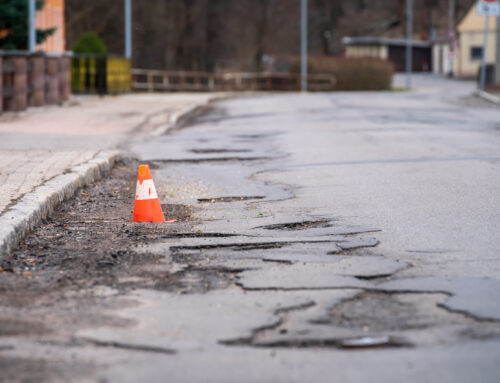
Tire ruts are long, shallow channels that form in the wheel paths of drive lanes and parking stalls. They appear where vehicles follow the same tracks every day. Over time, repeated loading pushes or compacts the asphalt downward. That deformation traps water, weakens the surface, and opens the door for bigger failures like cracking and potholes. If you notice puddles that line up with your wheel paths after rain, there is a good chance your pavement is starting to rut.
Rutting can be structural, where the base or subbase settles under heavy loads, or it can be a surface issue, where the top asphalt layer softens or shoves under traffic. Either way, leaving ruts alone is risky. Small grooves become bigger problems as water and freeze-thaw cycles work on the weak spots. The sooner you schedule an evaluation, the more repair options you have and the less you will spend long-term.
Why Rutting Happens on Wisconsin Parking Lots
Wisconsin weather and traffic patterns create the perfect mix for ruts. Here are the most common causes we see during asphalt rutting repair Waukesha property owners request:
- Heavy loading from delivery trucks, garbage trucks, buses, and fire lanes that concentrate weight in the same wheel paths
- High pavement temperatures in summer that soften the asphalt binder and make it more likely to deform under tires
- Insufficient asphalt thickness or weak base layers that cannot support traffic over time
- Poor drainage and flat grades that allow water to sit, penetrate, and destabilize the layers
- Freeze-thaw cycles that move water in and out of the pavement, expanding small weaknesses into bigger depressions
- Low air voids or improper compaction during paving that prevents the surface from resisting load and heat
- Oil leaks and fuel spills in stalls that soften asphalt and make localized rutting worse
Knowing which factors are at play on your lot helps Armored Asphalt choose a repair path that lasts. For instance, surface rutting can often be solved with milling and overlay in the affected tracks, while structural rutting may need full-depth patching or reconstruction to correct the base.
Why Tire Ruts Are a Big Deal
Some property managers see ruts as only a cosmetic flaw. In reality, ruts cause real risk and real costs. If you manage a retail center, school, church, industrial site, or HOA, these are the consequences to keep on your radar:
- Standing water and ice that boost slip, trip, and fall risk for pedestrians
- Hydroplaning risk for vehicles, especially at entrances, exits, and drive aisles
- Faster pavement decay as water enters the asphalt and base layers
- Accelerated cracking and potholes where ruts grow deeper
- ADA compliance issues when cross-slopes or transitions are affected by settled wheel paths
- Premature striping wear and poor visibility where paint sits in grooves and holds water
- Higher lifecycle costs because delayed repairs lead to full-depth reconstruction sooner
- Negative curb appeal that reflects on your brand and tenant satisfaction
Fixing ruts is not only about smoother rides. It is about safety, compliance, and controlling long-term pavement costs.
How to Tell if Your Lot Has Rutting
A quick visual check after rainfall is often enough to spot rutting. Still, it helps to know the difference between rutting and other surface problems:
- Consistent channels in wheel paths are a hallmark of rutting. They often appear on both sides of a drive lane.
- Puddles that sit in long lines after rain are a sign of depressions in those tracks.
- Shiny or polished-looking strips in wheel paths suggest the surface is wearing or shoving under traffic.
- Rutting versus settlement: If only a utility trench or isolated square is low, that may be base settlement from a cut. Rutting is linear and follows traffic.
- Rutting versus alligator cracking: Alligator cracking looks like a network of small cracks. Rutting is a smooth groove that can exist with or without cracking yet.
- Try a straightedge test: Place a 4-foot straightedge across the wheel path. If you can slide your fingers under the middle, measure the gap. A groove deeper than about 0.5 inch is a red flag for proactive repair.
Armored Asphalt can perform a quick, no-hassle site walk to confirm what you are seeing and document rut depth and drainage issues. With photos and measurements, you will have a clear plan for next steps.
Professional Assessment Makes the Difference
Before recommending asphalt rutting repair Waukesha properties need, Armored Asphalt gathers the right information. We look at pavement age, traffic types, base strength signs, grade and drainage, and any nearby loads like dumpsters or delivery lanes. For lots with severe or widespread rutting, we may recommend core sampling through a partner lab to confirm layer thickness and base condition. The goal is simple. We match the repair to the cause so you get the best value.
Repair Options That Work
Early Stage Preservation
When ruts are shallow and the pavement is otherwise healthy, preservation slows further damage. Armored Asphalt fills active cracks with high-grade rubberized material before sealcoating to block water infiltration. Our two-coat sealcoating system restores a tight surface seal that sheds water and shields against sun and salt. Note that sealcoating does not remove ruts, but it helps limit water damage and buys time before heavier repairs are needed.
Hot Mix Patching for Localized Ruts
If rutting is confined to small areas, we remove the weak asphalt in the groove, address any soft base we find, and place hot mix asphalt with proper tack and compaction. Armored Asphalt offers hot mix patching for durable, long-lasting results, and cold patching as a temporary winter solution. We are capable of patching areas up to 10” x 20” for targeted fixes. For longer wheel-path defects, we scale the repair as a strip patch to ensure smooth ride quality.
Strip Patching or Skin Patching
When a continuous wheel path rut runs down a drive lane, a strip patch may be the right call. We saw cut or mill the track, repair any soft spots, then add new hot mix asphalt and compact to match grade. Skin patches that only add material on top without removing the rut are not recommended for deep grooves because they can reflect and settle. Armored Asphalt focuses on repairs that address the underlying cause for better performance.
Mill and Overlay in Wheel Paths or Full Lot
For moderate to severe surface rutting, milling removes the deformed asphalt so we can restore smoothness and proper slope. We can mill only the wheel paths or the entire surface depending on condition and budget. A new overlay then ties the area together and seals the surface. After curing, our crew completes fresh pavement striping to meet your parking layout and ADA needs.
Full-Depth Reconstruction
If investigation shows weak or saturated base layers, full-depth removal and base rebuilding is the best investment. We excavate the failed area, install and compact proper aggregate base, and pave new asphalt to the right thickness for your traffic. This option is common under dumpsters, loading docks, and fire lanes where heavy vehicles turn and stop. The result is a stronger, rut-resistant pavement structure.
Preventing Ruts After Repair
Good design and maintenance will keep your lot rut-free longer. Here are practical steps Armored Asphalt recommends for properties in Waukesha and across southeast Wisconsin:
- Match pavement thickness to traffic. Heavier vehicles need thicker asphalt and stronger base.
- Use a rut-resistant mix design and binder grade suitable for local summer temperatures and traffic loads.
- Ensure proper compaction during paving to resist shoving and deformation.
- Build in drainage with correct slopes to move water off the surface and away from the base.
- Fill cracks each year before winter to keep water out of the structure.
- Sealcoat on a regular cycle using a two-coat system to slow oxidation and moisture damage.
- Place dumpsters and heavy equipment on reinforced pads or concrete to prevent localized rutting.
- Manage delivery routes and turning areas so trucks do not grind the same spots daily.
- Clean oil and fuel spills quickly to protect the asphalt binder.
- Use careful snow plowing practices and avoid gouging wheel paths. Armored Asphalt offers commercial snow plowing in Kenosha, Pleasant Prairie, and Racine to help keep your pavement safe in winter.
Our Step-by-Step Process
- Consultation: Call or email Armored Asphalt and share your goals, traffic patterns, and pain points.
- On-Site Assessment: We inspect the lot, measure rut depth, check drainage and base indicators, and take photos.
- Clear Proposal: You receive a detailed plan with options that fit your timeline and budget.
- Scheduling: We coordinate work around your peak hours to reduce downtime and guide traffic safely.
- Repair Execution: Our crew completes patching, milling, or paving using proven materials and compaction.
- Protection: We fill cracks and apply a two-coat sealcoat when appropriate to protect your investment.
- Striping: We stripe the lot to your specifications for clean, compliant parking layout.
- Final Walkthrough: We confirm the work meets our standards and provide a simple maintenance plan.
Why Choose Armored Asphalt for Asphalt Rutting Repair Waukesha
Armored Asphalt is a local team based in Kenosha, serving homeowners and businesses across southeast Wisconsin and northeast Illinois. We understand the freeze-thaw cycles, summer heat, and traffic loads that cause ruts in our region. When you need asphalt rutting repair Waukesha can rely on, we deliver practical recommendations, solid workmanship, and friendly communication from start to finish.
- Full-service capabilities including paving, hot mix patching, crack filling, sealcoating, and pavement striping
- Customer-focused scheduling and clear jobsite safety and traffic control
- Repair strategies matched to your lot’s use, from retail to industrial and everything in between
- Commercial snow plowing available in key winter markets to keep surfaces safe
- Local accountability and responsive service backed by a track record throughout southeast Wisconsin
Frequently Asked Questions About Tire Ruts
Are ruts only a cosmetic issue?
No. Ruts collect water, which accelerates cracking and potholes, creates slip and hydroplaning hazards, and can lead to ADA slope problems. Handling ruts quickly prevents larger structural failures and higher costs.
How deep is too deep?
Any rut that holds water should be evaluated. A practical rule of thumb is that ruts deeper than 0.5 inch need proactive repair. Severe grooving or deformation requires milling or reconstruction to restore safe grades.
Will sealcoating fix ruts?
Sealcoating is a preservation treatment. It protects against moisture and sun but does not remove depressions. If the rut is noticeable, you likely need patching or milling before sealing. Armored Asphalt can combine repairs with a two-coat seal to protect your new surface.
How long does rut repair take?
Small hot mix patches can be completed in a few hours. Strip patching or wheel-path milling may take a day or two depending on size and traffic control. Full overlays and reconstruction require more time. We build your schedule to minimize disruption to customers and tenants.
What does asphalt rutting repair cost?
Costs vary with rut depth, area, base condition, and access. Localized hot mix patching is typically the most budget-friendly. Milling and overlay cost more but deliver a seamless, long-lasting fix. Full-depth reconstruction is the most involved and is reserved for base failures. Armored Asphalt provides clear, itemized proposals so you can choose the right option.
How soon can traffic return?
Hot mix asphalt cools and can handle light traffic soon after compaction. We stage work to reopen lanes quickly and advise on cure times based on temperature and lift thickness. Striping typically follows after the surface is ready.
Do you repaint parking lot lines after repair?
Yes. Pavement striping is part of our commercial maintenance plans. After repairs and sealcoating, we stripe to your parking layout and specifications.
Is cold patch a good solution?
Cold patch is a temporary winter solution to keep your lot safe when hot mix is not practical. We recommend revisiting those areas in warmer weather for a permanent hot mix patch or mill and overlay as needed.
Service Area and How to Schedule
Armored Asphalt serves southeast Wisconsin and northeast Illinois with a focus on dependable, long-lasting asphalt solutions. Our primary service areas include the following communities:
- Kenosha
- Pleasant Prairie
- Paddock Lake
- Salem
- Burlington
- Union Grove
- Yorkville
- Raymond
- Caledonia
- Mount Pleasant
- Sturtevant
- Racine
- Winthrop Harbor
- Zion
- Beach Park
- Waukegan
- Gurnee
We also complete projects across southeast Wisconsin by request, including asphalt rutting repair Waukesha property owners search for when grooves and puddles start to appear. If you are unsure whether we serve your location, give us a call and our team will help.
Book Your On-Site Rut Assessment
If your wheel paths hold water or look shiny and low, do not wait. Armored Asphalt can evaluate your lot, explain the cause, and deliver a repair plan that fits your timeline and budget. From hot mix patching and crack filling to two-coat sealcoating, milling, paving, and striping, we handle your project from start to finish. For fast scheduling and clear answers about asphalt rutting repair Waukesha businesses and homeowners can trust, contact Armored Asphalt today.
Call: (262) 515-4150
Email: armoredsealcoating@gmail.com
Protect your investment and keep customers and tenants safe. Armored Asphalt is ready to help you stop rutting in its tracks and extend the life of your pavement.