
Start Here: Make the Right Choice for Your Commercial Lot
Commercial asphalt milling Big Bend: use our commercial lot checklist to decide between milling or paving, avoid costly mistakes, read now and request a quote. If you manage a parking lot or commercial driveway, choosing between asphalt milling and paving is one of the most important decisions you will make this year. The right choice stretches your budget, reduces downtime, and keeps customers and employees safe. The wrong choice can lead to surprise repairs, drainage issues, and early failure. Armored Asphalt is a local asphalt paving and maintenance company based in Kenosha, Wisconsin. Our team serves southeast Wisconsin and northeast Illinois with expert paving, milling, crack repair, sealcoating, and striping. Use this practical checklist to decide what your lot needs, then contact Armored Asphalt for a clear plan and a fair, detailed quote.
Milling vs Paving: What Is the Difference?
What is asphalt milling
Asphalt milling removes a set depth of the top asphalt layer using a machine with a rotating drum. The process does not disturb the stable base beneath. After milling, crews place a new asphalt surface and compact it to a smooth finish. Milling corrects surface damage, improves drainage, and keeps finished elevations consistent with curbs and entrances. It is ideal when the base is solid and the main problems are at the surface.
What is asphalt paving
Paving can refer to two different approaches. An asphalt overlay adds a new layer of asphalt on top of existing pavement after minor repairs and cleaning. Full-depth paving, often called reconstruction, removes the entire asphalt surface and sometimes part of the base, then installs new stone base and new asphalt lifts. Paving is the right move when the base is weak, the subgrade is saturated, or the asphalt has deep structural failures.
Quick pros and cons
- Milling pros: keeps curb and entrance heights, improves drainage, recycles material, fast turnaround, cost effective when the base is good
- Milling cons: not a fix for base failures, not ideal for deep structural cracking through the full depth
- Paving pros: resets structure, corrects base problems, longest life when done right
- Paving cons: higher cost, more downtime, may change elevations unless carefully planned
The Commercial Lot Checklist: Milling or Paving
Walk your site with this checklist. A few minutes of focused inspection makes the decision much easier and helps our team at Armored Asphalt tailor the right solution.
1. Surface condition
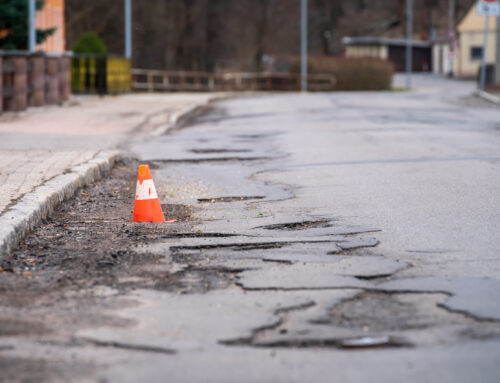
- Are cracks mostly shallow, narrow, and isolated on the surface
- Do you see fatigue or alligator cracking that flexes under traffic
- Are potholes limited to the top couple of inches or do they open to the base
If damage stays near the surface, milling with a new surface course is often best. If cracks pump water or move when trucks pass, full-depth paving or targeted base repair may be needed.
2. Drainage and puddling
- After a rain, do you see standing water that lingers for hours
- Are gutters, catch basins, and inlets lower than the lot so water flows to them
- Have you added overlays in the past that raised the lot above curb reveal
Milling excels at resetting slope and elevation. If water is trapped due to previous overlays, milling removes the high spots and restores proper flow without raising surfaces at doors, curbs, and ramps.
3. Elevation and thresholds
- Check doors, docks, ADA ramps, and garage thresholds for clearance
- Confirm curb reveal is at least 4 inches for protection and drainage
If clearances are tight, a direct overlay may cause problems. Milling allows you to remove thickness before installing new asphalt so finished heights stay correct.
4. Base strength
- Stand near a cracked area while a vehicle drives by. Do you feel movement
- Probe a pothole. Is the stone below firm and compacted or soft and muddy
Movement points to base failure. Milling addresses surface wear but does not fix weak base. In these cases, Armored Asphalt recommends full-depth patching or reconstruction in bad areas, often combined with milling and resurfacing elsewhere.
5. Traffic loads
- Do you have frequent semis, delivery trucks, or loaders
- Are wheel paths rutted where heavy trucks stop or turn
Heavy traffic can be served by milling and resurfacing if the base is strong and the new asphalt design uses the right thickness and mix. If ruts reflect base settlement, paving with base correction works better.
6. Age and maintenance history
- How old is the current asphalt
- Has it been sealcoated on a regular schedule
- Have you done multiple overlays over the years
Lots with multiple overlays benefit from milling to remove built-up layers and restore proper slope. Very old pavements with widespread deep cracking usually need full-depth replacement to reset the structure.
7. Seasonal performance
- Do cracks open wide every winter and fill with water and ice
- Does snow plowing pull up loose edges or ravel the surface
Wisconsin winters are hard on asphalt. If the base is sound, milling and a new lift with proper compaction and mix design will reduce plow damage and winter raveling. If frost heave and pumping are common, it is time to rebuild weak sections.
8. Utilities and site features
- Count manholes, inlets, and cleanouts
- Note islands, curb lines, and transitions to concrete
Milling offers precise control around utility castings and curbs. Our crews can match new asphalt to iron frames and concrete surfaces cleanly. Overlays may bury castings without adjustment, which creates trip hazards and drainage problems.
9. Budget and downtime
- How much downtime can your business handle
- What is your budget for this season
Milling and resurfacing can often be phased to keep parts of the lot open. It is also less expensive than full reconstruction when the base is healthy. If long-term durability is the main goal and the base is weak, plan for paving and build in time for compaction and cure.
When to Choose Commercial Asphalt Milling
Choose milling when you need a fresh, smooth surface without raising grades or rebuilding the structure. It is the go-to solution for surface cracking, ruts in the top lift, oxidation, and bad overlays. For commercial asphalt milling Big Bend property managers appreciate the way milling corrects drainage and preserves curb alignment during resurfacing. In retail centers, medical offices, and industrial parks, milling provides a strong platform for a new wear course with minimal disruption. Milling also supports sustainability objectives because the removed millings can be recycled back into new asphalt mixes. That helps you reduce waste while keeping performance high.
When to Choose Paving or Reconstruction
Choose paving or reconstruction when the asphalt and base have failed together. Telltale signs include deep alligator cracking across large areas, pumping water under load, chronic potholes that return soon after patching, and significant settlement near heavy truck paths. Full-depth paving replaces weak material and restores the foundation. For some sites, a hybrid approach makes sense. Armored Asphalt can rebuild drive lanes or loading zones while milling and resurfacing the rest of the lot. This targeted plan controls cost and delivers strength where it matters most.
How the Milling and Resurfacing Process Works
Step 1: Site evaluation and planning
Our team inspects your lot, checks elevations, identifies drainage paths, and marks utilities. We measure crack patterns, test base firmness in suspect areas, and confirm mix design and thickness based on traffic loads. You receive a clear proposal with scope, phasing, and a schedule that fits your operations.
Step 2: Repairs and prep
Before milling, we perform any needed full-depth patches in failed spots. We clean the surface and protect adjacent concrete, landscaping, and structures. We mark grade transitions to maintain curb reveal and door thresholds.
Step 3: Milling
We set the milling depth, typically 1 to 2 inches for a standard resurfacing. In areas with high spots or holding water, we mill deeper to correct slope. Millings are swept and removed for recycling.
Step 4: Tack and asphalt placement
A tack coat bonds the new asphalt to the milled surface. We install the new lift in one or more passes depending on design thickness. Our rollers compact the mat to the correct density for strength and longevity.
Step 5: Striping and reopen
After cooling, we restripe lanes, ADA stalls, and traffic markings to your specs. Most lots can reopen quickly with well planned phasing. Armored Asphalt keeps communication clear so tenants and customers know where to park each step of the way.
Cost Factors and Mistakes to Avoid
What drives cost
- Scope and thickness: more tonnage means higher material and hauling costs
- Base repairs: full-depth patches add labor and materials
- Phasing and access: complex traffic control and night work can increase labor
- Striping and ADA updates: layout changes add time and paint
- Distance and mobilization: larger crews and equipment mobilizations affect total time
Common mistakes
- Overlaying without milling when elevations are already high
- Resurfacing over a weak base that needs reconstruction
- Ignoring drainage issues that will shorten pavement life
- Skipping crack fill and sealcoating after a new surface is placed
- Accepting a vague scope that does not specify thickness or areas of base repair
Armored Asphalt helps you avoid these pitfalls with a thorough site walk, clear measurements, and a written plan that matches your goals and budget.
Maintenance Plan After Your Project
Great results do not end on paving day. A simple maintenance plan protects your investment and helps your lot last longer in our freeze-thaw climate.
Crack filling
Have new cracks filled each year before winter. Armored Asphalt uses high-grade rubberized crack-fill that seals out water and ice. Crack fill is a must before any sealcoating.
Sealcoating
Our two-coat sealcoating system refreshes the surface and protects from oxidation and spills. Lots that are sealed on schedule can last twice as long between major work. We will recommend the right timeline for your site use and traffic.
Patching and pothole repair
We provide hot mix patching for durable, long-lasting repairs, and cold patching as a quick winter solution when plants are closed. For small problem spots, we can patch areas up to 10 by 20 inches quickly to reduce liability.
Pavement striping
Fresh, bright striping keeps traffic moving safely and brings your lot into compliance. Armored Asphalt includes striping in our commercial maintenance plans so your site looks clean and professional.
Snow plowing
Winter service is part of smart maintenance. We offer commercial snow plowing in Kenosha, Pleasant Prairie, and Racine to keep lots, sidewalks, and loading areas clear and safe.
Why Commercial Property Managers Choose Armored Asphalt
- Local expertise: Based in Kenosha and serving southeast Wisconsin and northeast Illinois, we understand local soils, traffic, and winters
- Full-service partner: Milling, paving, crack filling, sealcoating, striping, and snow plowing
- Clear communication: Detailed scopes, phasing plans, and friendly crews
- Quality materials: Reliable mixes and proven application methods for long life
- Safety and access: We protect pedestrians, work around your hours, and phase work to reduce downtime
From small retail lots to busy industrial parks, Armored Asphalt delivers smooth, strong, good-looking blacktop with minimal disruption. If you are comparing options for commercial asphalt milling Big Bend businesses and property managers can count on our team for honest advice and a competitive quote.
Service Areas
Armored Asphalt is proud to serve homeowners and businesses across southeast Wisconsin and northeast Illinois. Our primary service areas include Kenosha, Pleasant Prairie, Paddock Lake, Salem, Burlington, Union Grove, Yorkville, Raymond, Caledonia, Mount Pleasant, Sturtevant, Racine, Winthrop Harbor, Zion, Beach Park, Waukegan, and Gurnee. If you are nearby and planning a project like commercial asphalt milling Big Bend or other communities in the region, reach out. We regularly work with clients across the area and will discuss your timeline and needs.
FAQs: Milling vs Paving for Commercial Lots
How long does milling and resurfacing take
Most small to mid-size lots can be milled and resurfaced in one to three days depending on weather, thickness, and phasing. Striping follows soon after. We build a schedule that keeps your doors open.
Will milling fix standing water
Yes, in many cases. By removing high spots and resetting slopes, milling can restore drainage to inlets. We confirm elevations during planning so water flows where it should.
How do I know if my base is failing
Look for deep alligator cracking, pumping water under load, and potholes that return quickly. Our team can test base firmness and recommend targeted reconstruction if needed.
Is an overlay enough without milling
Sometimes, if elevations and drainage are correct and the surface is smooth. If your lot already has a raised surface from past overlays, milling first is the safer choice.
How soon can traffic return
Light traffic can often return the same day after compaction and cooling. Heavy truck traffic may wait until the next day. We will guide you based on weather and mix.
Get a Professional Assessment and Quote
Still unsure whether your lot needs milling or paving Use our checklist, then let Armored Asphalt confirm your next step with a site visit. We will measure, test, and provide a clear, no-pressure plan that fits your goals and budget. Call us at (262) 515-4150 or email armoredsealcoating@gmail.com to schedule your assessment. Whether you need full-depth paving in a heavy truck lane or commercial asphalt milling Big Bend style resurfacing to reset drainage and smooth your lot, our team is ready to help.
Put Your Lot on a Longer-Lasting Path
Good pavement starts with the right decision at the right time. Milling protects curb heights, improves drainage, and gives you a fresh wear course when the base is sound. Paving rebuilds strength when the structure has failed. With a focused site review and the practical checklist above, you can move forward with confidence. Armored Asphalt delivers quality blacktop, clean striping, and a maintenance plan that stands up to Wisconsin weather. Reach out today for a clear recommendation and a detailed quote, and keep your commercial lot safe, clean, and open for business.