Why the Right Choice Matters for Asphalt Paving and Maintenance
Choosing between hot mix and cold patch asphalt can be the difference between a quick fix and a repair that truly lasts. If you care about asphalt paving and maintenance for your driveway, parking lot, or private road, understanding how these materials work will save you time and money. In this guide, Armored Asphalt explains what sets hot mix and cold patch apart, when to use each, typical costs, and how our local team in Kenosha helps homeowners and businesses across southeast Wisconsin and northeast Illinois make the best call. Asphalt paving and maintenance does not need to be confusing. Learn the basics here and get a clear plan for your next repair.
What Is Hot Mix Asphalt
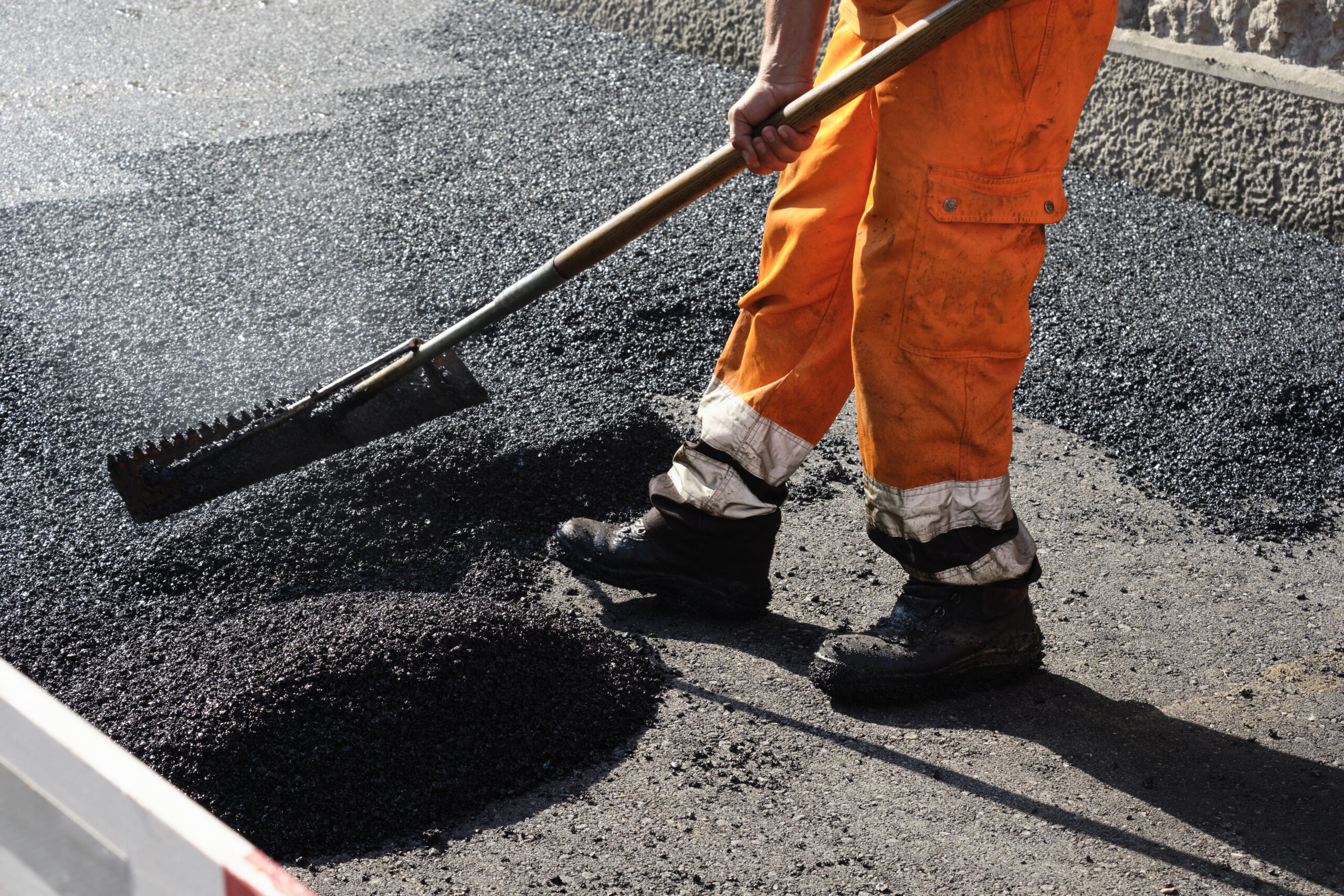
Hot mix asphalt is a blend of stone, sand, and asphalt binder heated at the plant and delivered to the job site while hot. It is placed and compacted at high temperatures to form a tight, dense, and permanent surface. Because the material is installed while hot and compacted with rollers or plate compactors, the finished patch bonds to the surrounding pavement and resists water infiltration, rutting, and raveling. This is the same material used to build most roads and parking lots in Wisconsin and Illinois.
Best Uses for Hot Mix
- Permanent repairs to potholes and failed areas
- Driveway and parking lot resurfacing or overlays
- Full-depth patching where the base or subbase has weakened
- Utility cut restoration after underground work
- High-traffic or heavy-load areas that need strength and longevity
- Repairs that require a smooth, level finish ready for striping
Benefits of Hot Mix
- Durable and long lasting when installed on sound base layers
- Strong bond to existing pavement after proper cutting and tack coat
- Resists water penetration, which helps prevent freeze and thaw damage
- Smooth finish that improves safety and appearance
- Lower cost per year of service life compared to short-term solutions
- Reliable performance under Wisconsin and Illinois weather cycles
Limitations of Hot Mix
- Seasonal availability because placement needs warmer temperatures and dry conditions
- Requires trucks, compactors, and an experienced crew for proper installation
- Mobilization costs can be higher for very small patches
- Traffic may need to be redirected during the work and brief cooling period
What Is Cold Patch Asphalt
Cold patch asphalt, often called cold mix, is a ready-to-use asphalt product that can be installed without heating. It is designed to stay workable in cooler temperatures and set after compaction and exposure to traffic. Many cold patches use modified binders or cutback asphalt to remain pliable in the bag or bulk pile, then cure gradually. Cold patch is ideal for emergencies and winter conditions when hot mix plants are closed or when the weather does not allow hot paving.
Best Uses for Cold Patch
- Emergency pothole repairs during winter or wet conditions
- Temporary fixes on residential driveways and light-use areas
- Short-term safety patches to remove trip hazards or protect vehicle tires
- Utility cut covers when permanent repairs must wait for better weather
- Small patches in low-traffic spots where a quick and simple repair is needed
- At Armored Asphalt, cold patching is offered as a temporary winter solution and we can cold patch areas up to 10 inches by 20 inches when rapid service is needed
Benefits of Cold Patch
- Can be installed in a wide range of temperatures
- Quick to place with basic tools and limited traffic disruption
- Useful for immediate hazard reduction when a permanent repair must wait
- No need to schedule a hot mix plant or large crew
- Often cost effective for very small or urgent repairs
Limitations of Cold Patch
- Shorter lifespan, especially in high-traffic or wet areas
- More likely to ravel or wash out over time if not replaced by hot mix
- Less water resistant and less dense than hot mix after compaction
- Can settle under traffic, leaving a dip that still needs permanent repair
Hot Mix vs Cold Patch: A Clear Comparison
Performance and Lifespan
In side-by-side use, hot mix is the long-term winner. With proper preparation, compaction, and drainage, a hot mix patch can last several years. For driveways and parking lots in good structural condition, a hot mix overlay or full-depth patch can stretch service life significantly. Cold patch is best viewed as a bridge to a permanent repair. In light use, a well compacted cold patch might hold through a season or two, but heavy snowfall, plows, and spring rains often shorten that timeline. The rule of thumb is simple. Use cold patch to make it safe now and hot mix to fix it right.
Weather and Seasonality in Wisconsin and Illinois
Our region sees freeze and thaw cycles, road salt, and heavy snow equipment. These conditions stress pavements and make water control critical. Hot mix installation demands a dry surface and suitable air and surface temperatures. For southeast Wisconsin and northeast Illinois, the prime hot mix window runs from spring through fall. Cold patch gives property owners a practical way to stay ahead of potholes during winter, when water infiltration and freezing can turn small cracks into larger failures. Armored Asphalt plans permanent hot mix repairs when the weather cooperates, and we use cold patch to protect your surface until then.
Cost Considerations
Cost depends on patch size, access, base condition, and traffic needs. In general, hot mix has a higher upfront price than cold patch for small repairs because it requires equipment, plant coordination, and skilled labor. The tradeoff is service life. When you spread cost over the years a hot mix patch serves, it is usually the more economical choice for significant damage.
Typical ranges in our area can look like this. For small, stand-alone hot mix patches that require saw cutting and base work, costs can vary widely but often fall in a range that reflects mobilization, material, and compaction time. Larger areas usually see a better cost per square foot. Cold patch is often sold by the bag or in small quantities and can be more affordable for a quick fix, especially for small low-risk spots. If you want a budget you can trust, Armored Asphalt provides clear, written estimates after an on-site evaluation. We will help you see the total cost of ownership so you do not pay twice for the same hole.
Safety, Liability, and Curb Appeal
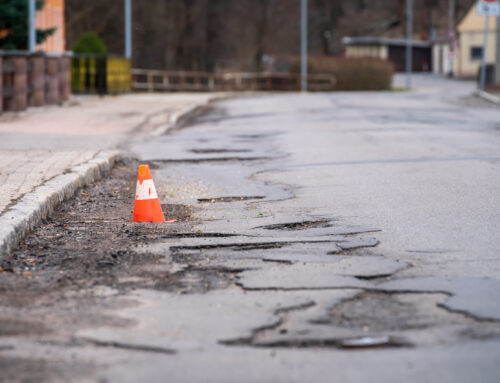
Open potholes and broken edges create trip hazards and can damage vehicles. For commercial properties, that can turn into a liability concern. Cold patch is useful to remove the immediate risk in winter. Hot mix brings the finish, strength, and water control you want for a professional image and long-term safety. Armored Asphalt also offers pavement striping for parking lots after repairs and sealcoating for a deep, even color that boosts curb appeal.
How Armored Asphalt Handles Patching and Repairs
Armored Asphalt is a local asphalt paving and maintenance company based in Kenosha, serving communities across southeast Wisconsin and northeast Illinois. Our team delivers durable paving, effective crack and pothole repairs, two-coat sealcoating, and accurate parking lot striping. We offer hot mix patching for repairs that last and cold patching as a temporary winter solution, with the ability to patch areas up to 10 inches by 20 inches when speed is the priority.
Our Repair Process
- Inspection and diagnosis. We visit your property, inspect the damage, and look for the cause, such as drainage or base failure.
- Clear recommendation. We explain whether hot mix or cold patch fits your goals, timing, and budget. You get a written quote.
- Site preparation. For hot mix, we saw cut the edges for clean lines, remove failed material, and address base or subbase issues.
- Tack and placement. We apply tack coat to improve bonding, place hot mix in lifts, and compact to proper density.
- Cold patch option. If conditions are not right for hot mix, we place and compact cold patch to remove the hazard until permanent work can be scheduled.
- Detailing and cleanup. We compact edges, make sure the surface is even with surrounding pavement, and clean the site.
- Follow-up maintenance. We can seal cracks, apply a two-coat sealcoat when appropriate, and stripe commercial lots to your specifications.
When To Choose Hot Mix vs Cold Patch
- Size and severity. Deep or wide failures point to hot mix with base repair. Small surface holes in winter can be stabilized with cold patch now and hot mix later.
- Traffic and loading. Busy drive lanes, truck routes, and snowplow paths benefit from hot mix strength. Low-traffic residential spots can wait with cold patch if needed.
- Weather window. If temperatures and moisture block hot mix work, use cold patch as a stopgap and schedule hot mix for spring.
- Budget and timing. Stretching a budget across seasons can work. Use cold patch to stay safe and plan for hot mix when funding and weather align.
- Surface condition. If cracks, ruts, or alligatoring cover larger areas, a hot mix mill and overlay or full-depth repair may be the smarter solution.
- Root cause. If drainage or base support is the problem, hot mix with base correction is the only reliable fix.
Not sure which way to go. Call Armored Asphalt at (262) 515-4150 or email armoredsealcoating@gmail.com for fast guidance and a no-obligation quote. We will assess your pavement and propose a plan that fits your goals for asphalt paving and maintenance.
FAQs: Hot Mix and Cold Patch Asphalt
- How long does a hot mix patch last? With proper base and compaction, a hot mix patch can last several years. Lifespan depends on traffic, drainage, and overall pavement condition.
- Will cold patch survive a Wisconsin winter? Cold patch can hold for a season in light-use areas, but snowplows, water, and freeze and thaw cycles often shorten its life. Plan to replace it with hot mix when weather allows.
- Can I drive on the patch right away? Cold patch is often traffic ready almost immediately. Hot mix typically needs a short cooling period before it is opened to vehicles.
- Do I need to cut the edges for a hot mix repair? Saw cutting creates clean, vertical edges that help the new patch bond and stay put. It is standard for permanent hot mix work at Armored Asphalt.
- What if the pothole keeps coming back? Repeat failures often point to a weak base or poor drainage. A full-depth hot mix repair with base correction is usually required.
- Is sealcoating the same as patching? No. Sealcoating protects the surface from oxidation and water but does not fix structural damage. Patch first, then sealcoat for protection and appearance.
- When should I fill cracks? Fill cracks before sealcoating and before winter each year if possible. Armored Asphalt uses high-grade rubberized crack fill to keep water out.
- Can you stripe my lot after repairs? Yes. After patching and sealcoating, we stripe to your specifications as part of our commercial maintenance plans.
Beyond Patching: Complete Asphalt Paving and Maintenance
Keeping asphalt in top shape is a cycle. Fix damage, protect the surface, and refresh markings so people can move safely. Armored Asphalt supports property owners through every stage of asphalt paving and maintenance. We pave new blacktop for driveways and parking lots, install long-lasting hot mix patches, use cold patch for safe winter holds, apply a two-coat sealcoat that helps pavements last twice as long between sealing, fill cracks with rubberized material to stop water from getting in, and stripe lots to the layout you need. In winter, our team also offers commercial snow plowing in Kenosha, Pleasant Prairie, and Racine to keep access clear and reduce pavement stress from freeze and thaw. When your property has one trusted partner for asphalt paving and maintenance, you gain consistency, better timing, and a plan that prevents small issues from turning into expensive failures.
Service Areas
- Kenosha
- Pleasant Prairie
- Paddock Lake
- Salem
- Burlington
- Union Grove
- Yorkville
- Raymond
- Caledonia
- Mount Pleasant
- Sturtevant
- Racine
- Winthrop Harbor
- Zion
- Beach Park
- Waukegan
- Gurnee
How To Get the Most Value From Your Asphalt
To maximize the life and value of your blacktop, match the repair to the issue, then protect the surface. Here is a simple plan you can use with Armored Asphalt. Patch structural damage with hot mix as soon as you can schedule the work. Use cold patch in winter to eliminate hazards and prevent water from widening holes. Seal cracks annually or before winter to keep water out of the base. Sealcoat with a two-coat system on a proper schedule for your traffic level. Stripe parking lots after sealing to maintain safe, efficient traffic flow. Review drainage to keep standing water off the pavement. This approach reduces total costs over time and helps your surface look better, longer.
Get a Quote From Armored Asphalt
If you want a pavement that lasts, start with the right repair. Armored Asphalt makes it simple to choose between hot mix and cold patch and to plan your asphalt paving and maintenance across the seasons. We serve homeowners and businesses throughout southeast Wisconsin and northeast Illinois with honest advice, skilled crews, and reliable results. Call (262) 515-4150 or email armoredsealcoating@gmail.com to schedule an on-site evaluation. Discover the difference between hot mix and cold patch asphalt, decide when to use each, and get a clear, local price for your repair. Make smarter repairs with Armored Asphalt and keep your pavement protected and performing year round.