
Smart Asphalt Decisions Start With a Clear Inspection
Not sure if your driveway or parking lot needs a quick pothole patch or a full pavement replacement? You are not alone. Many property owners weigh short-term fixes against long-term results. In this guide, asphalt repair contractors from Armored Asphalt explain when to patch a pothole versus when to replace pavement. Learn the warning signs, cost and timeline expectations, and how to protect your investment through each season in southeast Wisconsin and northeast Illinois. If you are ready for answers you can trust, book a free inspection today.
What Causes Potholes and Premature Pavement Failure
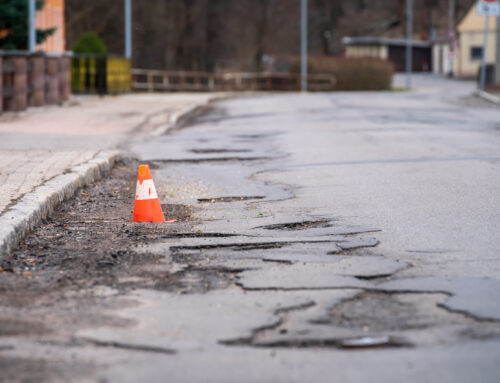
Understanding what is going on beneath the surface helps you decide between a patch and a replacement. Most potholes begin as cracks that let in water. Freeze and thaw cycles push the asphalt up and down, weakening the base. Traffic then dislodges broken pieces and a pothole forms. In our climate across Kenosha, Racine, and Lake County, repeated winter cycles speed up this process. Drainage problems, heavy truck traffic, and neglected crack sealing make it worse.
Common Triggers We See Across Southeast Wisconsin and Northeast Illinois
- Repeated freeze and thaw cycles that widen cracks
- Standing water and poor drainage near low spots or curbs
- Aging asphalt that has lost flexibility and binder oils
- Thin or weakened base layers that flex under load
- Salt and snow plow abrasion during long winters
Armored Asphalt addresses causes and symptoms. That means we do not just fill a hole. We look for root problems like broken base, rutting, and drainage so your repair lasts.
Patch or Replace: Quick Guidelines From Asphalt Repair Contractors
When asphalt repair contractors evaluate your pavement, they look at size, severity, location, and the health of the surrounding surface. Use these quick guidelines as a starting point, then schedule a site visit for a firm plan.
Choose a Pothole Patch When
- The pothole is isolated and small to medium in size
- The surrounding asphalt is still strong and not cracked throughout
- The base beneath the pothole is stable after cleaning out loose debris
- You need a safe, fast fix to prevent trips and vehicle damage
- It is winter and you need temporary cold patch until a hot mix repair is possible
Consider Replacement or Resurfacing When
- Cracking and potholes are widespread across 25 percent or more of the area
- You see alligator cracking patterns that signal base failure
- The surface has deep ruts, heaving, or soft spots that return after patching
- Drainage is poor and water sits on the surface or near seams
- The pavement is near or past its service life and repairs would stack up quickly
Armored Asphalt will recommend the most cost-effective path, not the most expensive one. If a long-lasting patch solves the issue, we will tell you. If a section needs replacement to end a cycle of repeat potholes, we will explain why and show you the evidence.
Types of Patching and When Each Works Best
Cold Patch for Winter Safety
Cold patch is a temporary solution when temperatures drop. It can be placed even when hot mix is not available. Use it to keep traffic safe and reduce damage to vehicles. Cold patch is not a permanent fix. Armored Asphalt often installs winter cold patches, then returns in warmer weather for hot mix patching that lasts.
Hot Mix Patching for Durable Repairs
Hot mix patching is the best option for longevity. Our crew saw cuts the perimeter, removes broken asphalt, compacts the base, and installs hot mix asphalt. We compact it to match surrounding grades. Armored Asphalt can patch areas up to 10 inches by 20 inches and beyond with hot mix, depending on what your site needs. A well-built hot mix patch blends into the existing pavement and can serve you for years.
Infrared or Skin Patches vs. Remove-and-Replace
Some customers ask about infrared. While it can be useful in select cases, our climate and base conditions often reward a remove-and-replace approach. Cutting out failed material and rebuilding the base delivers a more reliable outcome than reheating damaged sections. During your inspection, we will match the method to the damage.
Resurfacing vs. Full Replacement
Sometimes the best answer is neither a simple patch nor a full tear-out. Resurfacing, also called an overlay or mill-and-overlay, may provide a strong middle ground.
Resurfacing Overview
Resurfacing installs a new layer of asphalt on top of a sound base. We mill or grind off the top layer if needed, address cracks and weak spots, and place a new lift of hot mix. This gives you a fresh, smooth surface and can extend pavement life at a lower cost than full replacement.
Resurfacing Is a Good Fit When
- The base and subgrade are stable and not pumping water or fines
- Cracking is moderate and can be repaired before paving
- You need to correct minor ruts or surface oxidation
- Drainage grades can be preserved or improved with milling
Full Replacement Is the Right Choice When
- The base is failing, soft, or saturated
- Alligator cracking and deep potholes are widespread
- The surface has settled in areas and holds water even after patching
- Previous overlays are delaminating or slipping
During full replacement, Armored Asphalt removes the existing asphalt, evaluates and repairs the base, then paves a new surface. This provides the strongest long-term result, especially for heavy-use commercial lots.
How To Spot the Warning Signs Early
Catching problems early saves money. Here are the signals that tell asphalt repair contractors it is time to act.
- New potholes or recurring potholes in the same area
- Spider web or alligator cracking under vehicle paths
- Ruts where tires travel or depressions at dumpster pads and loading zones
- Pooling water after a rain, especially at seams or near drains
- Loose gravel-like aggregate on the surface from oxidation
- Edge cracking and crumbling along driveways or lot perimeters
If you notice any of these issues, schedule an inspection with Armored Asphalt. We will decide together whether patching, resurfacing, or replacement provides the best return.
Typical Costs and Timelines Explained
Exact costs depend on size, access, base condition, thickness, and traffic needs. That said, here is what to expect so you can plan. We focus on clear timelines and minimal disruption for homes and businesses.
Patching Timelines
- Cold patch installs quickly and is often ready for immediate traffic
- Hot mix patching usually takes a few hours to one day per location
- Most hot mix patches can handle light traffic within hours after compaction
Resurfacing Timelines
- Small driveways: 1 to 2 days from prep to paving
- Medium commercial lots: 1 to 3 days depending on milling and layout
- Traffic reopening: often within 24 to 48 hours for cars, heavier loads may need longer
Full Replacement Timelines
- Residential driveways: 2 to 3 days including tear-out, base work, and paving
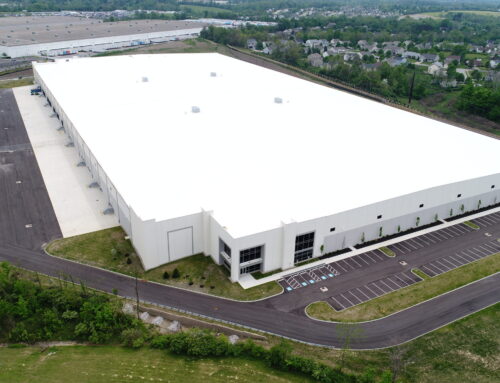
- Commercial lots: 2 to 5 days or phased work to keep sections open
- Final curing: cars may return in 24 to 72 hours, trucks usually longer based on thickness and weather
Armored Asphalt tailors phasing for multi-tenant properties to keep businesses operating. We can schedule work during low-traffic hours and coordinate striping right after sealcoating or paving for a quick return to service.
Preventing Future Potholes With Proactive Maintenance
Well-timed maintenance doubles the life of your asphalt. Our customer-focused plans address seasonal needs in our region.
Sealcoating
Armored Asphalt uses a two-coat sealcoating system to lock out water, sun, and salt. Sealcoating restores the deep black color and helps pavements last twice as long between sealing cycles. For most surfaces, we recommend sealing every two to three years depending on traffic and exposure.
Crack Filling
High-grade rubberized crack-fill stops water intrusion and keeps small issues from turning into potholes. We fill cracks before sealcoating for a tight surface seal, and we suggest crack filling as needed before each winter.
Snow Plowing and Winter Care
Rough plow blades can peel up weak edges. Our commercial snow plowing team in Kenosha, Pleasant Prairie, and Racine prioritizes proper blade settings, deicer choices, and safe clearing methods. Good winter practices reduce spring potholes and extend the life of your pavement.
Driveways vs. Parking Lots: Different Needs, Same Principles
Residential driveways and commercial parking lots face different loads, but the rules for patching and replacement are similar.
Driveways
- Light to medium loads from passenger vehicles
- Patching works well for isolated potholes and edge failures
- Resurfacing can refresh aged surfaces at a lower cost than replacement
- Drainage at the garage and street edge is key to prevent heaving
Parking Lots
- Mixed traffic with cars, delivery trucks, and semis
- Dumpster pads and loading zones need thicker asphalt and stronger base
- When potholes return in high-load areas, localized replacement is often best
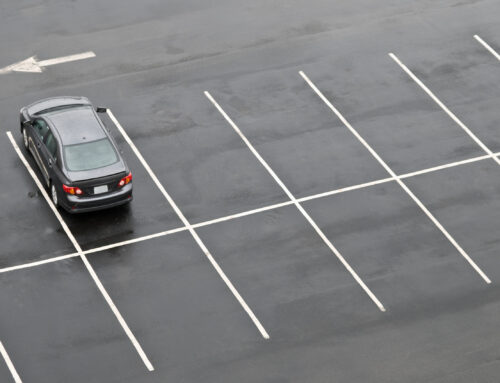
- After repairs, Armored Asphalt offers pavement striping to bring your layout up to current standards
Our Step-by-Step Process for Clear Answers
As experienced asphalt repair contractors, Armored Asphalt follows a proven process to help you make the right call.
- Free site visit: We walk the surface, inspect cracks and potholes, and check drainage
- Diagnosis: We determine if damage is surface level or tied to base failure
- Options: We share patching, resurfacing, and replacement plans with pros and cons
- Transparent pricing: You get a written proposal with scope, timeline, and any phasing
- Execution: Our crew completes the work and communicates daily progress
- Aftercare: We recommend a maintenance plan that fits your goals and budget
Frequently Asked Questions
How long does a hot mix patch last?
A properly installed hot mix patch can last many years when the surrounding pavement and base are healthy. Lifespan depends on traffic, drainage, and maintenance. We design patches to match the demand of your site.
When is the best season for paving and patching?
Warm months are ideal for hot mix patching, resurfacing, and replacement. Cold patch can be used in winter to bridge the gap. Sealcoating is best in late spring through early fall when temperatures and curing conditions are stable.
Is resurfacing as good as replacement?
Resurfacing can be excellent when the base is strong. It adds new life at a lower cost than full replacement. If base failure is present, replacement is the better long-term solution.
How soon can I drive on new asphalt?
Most residential driveways can handle cars within 24 to 72 hours. Commercial timelines vary based on thickness, temperatures, and traffic loads. We will provide a clear reopening schedule for your project.
Will you stripe my parking lot after repairs?
Yes. Armored Asphalt includes pavement striping in commercial maintenance plans and can stripe your lot after resurfacing or sealcoating to your specifications.
Why Choose Armored Asphalt
Armored Asphalt is a local asphalt paving and maintenance company based in Kenosha, Wisconsin. We serve homeowners and businesses across southeast Wisconsin and northeast Illinois, including Pleasant Prairie, Paddock Lake, Salem, Burlington, Union Grove, Yorkville, Raymond, Caledonia, Mount Pleasant, Sturtevant, Racine, Winthrop Harbor, Zion, Beach Park, Waukegan, and Gurnee. Our team delivers durable paving, reliable patching and pothole repair, professional sealcoating, high-grade crack filling, precise pavement striping, and responsive commercial snow plowing. Customers trust our clear communication, attention to detail, and clean job sites. When you search for asphalt repair contractors near Kenosha and Racine, we want to be the first call you make and the last contractor you need.
How to Decide Today
If you are looking at a pothole right now, start with a patch evaluation. It is fast, affordable, and often the smart first step. If your pavement shows multiple warning signs or repeats the same failures, ask us to compare resurfacing and replacement. Armored Asphalt will explain costs and timelines side by side so you can pick the best fit for your property.
Simple Decision Framework
- Is the damage isolated or widespread
- Is the base firm or soft when probed
- Is water draining away or pooling on the surface
- What is the age and traffic level of the pavement
- What is your budget and how long do you plan to own the property
With these answers, asphalt repair contractors can guide you quickly toward a confident choice.
Get Your Free Inspection and Estimate
Ready for a no-pressure plan you can trust? Contact Armored Asphalt for a free inspection. We will evaluate your driveway or parking lot, offer clear recommendations, and provide a written estimate. Call us at (262) 515-4150 or email armoredsealcoating@gmail.com. If a quick patch will solve it, we will get you scheduled. If a replacement saves you money long term, we will show you the numbers and the timeline. Either way, your pavement is protected.
Services at a Glance
- Paving: New blacktop installation for driveways and parking lots with smooth, long-lasting results
- Patching and Pothole Repair: Hot mix patching for durable fixes and cold patching as a temporary winter solution
- Sealcoating: Two-coat system that boosts curb appeal and extends pavement life
- Crack Filling: Rubberized crack-fill to stop water and prepare surfaces for sealcoating
- Pavement Striping: Professional layout to meet parking specifications after repairs and sealing
- Snow Plowing: Commercial snow clearing in Kenosha, Pleasant Prairie, and Racine for safe access all winter
The Bottom Line
Patching makes sense for isolated potholes on otherwise healthy pavement. Resurfacing works when the base is stable and you want a fresh surface without full replacement. Replacement is the right call when base failures, widespread cracking, and drainage problems keep coming back. Partner with asphalt repair contractors who treat your property like their own. Armored Asphalt will help you choose the option that provides the best value, the safest surface, and the least downtime. Call (262) 515-4150 or email armoredsealcoating@gmail.com to schedule your free inspection today.