Parking Lot Repair Tax Deduction: What Business Owners Need to Know
Parking lot repair tax deduction: learn if fixes are deductible for businesses, how to classify costs, and ways to maximize savings so you can reduce this year’s tax bill. If you own or manage a commercial property in southeast Wisconsin or northeast Illinois, the right approach to repairs and maintenance can make a real difference at tax time. Armored Asphalt helps you plan work that protects your pavement and supports smart accounting decisions.
This guide explains which parking lot costs are typically deductible now, which need to be capitalized and depreciated, and how to document your project for your CPA. It is general information, not tax advice. Always confirm the details for your situation with a qualified tax professional.
Quick Answer: Can You Take a Parking Lot Repair Tax Deduction
Often yes. Many routine parking lot repairs are deductible in the year you pay for them if they simply keep your lot in safe, working condition. Examples include crack filling, pothole patching, sealcoating, and restriping after repairs. Larger projects that significantly extend the life of the lot, improve it beyond its original state, or replace major components are usually capital improvements. Capital improvements must be capitalized and depreciated over time.
In short, if the work is maintenance that keeps your pavement serviceable, you may be able to take a current parking lot repair tax deduction. If the work restores or improves the lot in a big way, it likely belongs on your depreciation schedule.
How the IRS Looks at Parking Lot Costs
Repairs and Maintenance You Can Usually Deduct This Year
Under general IRS rules for ordinary and necessary business expenses, you can typically deduct costs that keep your property in its usual working order. For parking lots, that usually means the services Armored Asphalt performs as part of routine maintenance.
- Crack filling to stop water infiltration
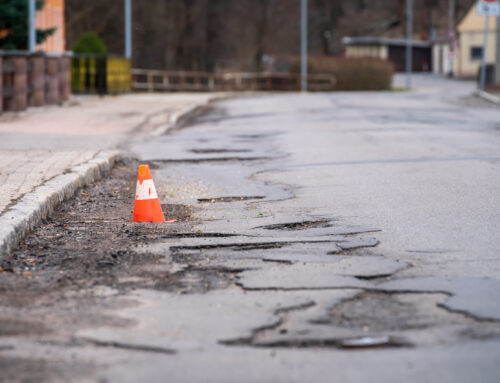
- Pothole patching and small area hot mix patches
- Limited cold patching as a temporary winter fix
- Sealcoating to protect the surface from weather and wear
- Restriping after repairs and sealing to maintain parking layout and compliance
- Minor curb or drainage spot fixes that do not change the overall system
- Small isolated repairs after utility cuts
These items generally do not add substantial value, increase capacity, or extend the life of your parking lot in a major way. They keep your lot safe and attractive for customers and employees. That is why many businesses can expense these costs in the year paid and take the parking lot repair tax deduction.
Costs That Must Be Capitalized as Improvements
If a project is a betterment or restoration, or adapts the property to a new use, the IRS usually requires capitalization. For lots, that includes projects that materially extend the useful life of the pavement or replace large components.
- Full resurfacing, mill and overlay across most or all of the lot
- Complete removal and replacement of asphalt and base layers
- Structural sub-base reconstruction or major drainage redesign
- Expanding the lot, adding drive lanes, or changing layout to increase capacity
- Replacing large sections that represent a major component of the lot
- Adding new islands, curbs, or lighting systems
These improvements are capitalized and depreciated over time. The good news is you can still recover the cost through depreciation, and in some years you may also benefit from bonus depreciation. Your CPA will help you apply the correct method.
Gray Areas and How to Decide
Some projects fall between simple repairs and major improvements. The IRS looks at whether the work:
- Fixes a specific defect or damage versus upgrading the entire surface
- Restores a minor area versus a major component
- Extends useful life in a significant way or simply preserves current life
- Increases capacity or efficiency
The routine maintenance safe harbor may allow you to expense costs that you reasonably expect to perform regularly during the asset’s life to keep it in ordinary condition. For many businesses, recurring crack filling, patching, and sealcoating meet this standard. Documentation of your maintenance plan helps here. When in doubt, ask your tax advisor to review the scope and your photos and invoices from Armored Asphalt.
Smart Strategies to Maximize Your Parking Lot Savings
Routine Maintenance Safe Harbor
If you schedule recurring parking lot maintenance, you may be able to expense those costs under the IRS routine maintenance safe harbor. Armored Asphalt’s commercial maintenance plans in Kenosha and the surrounding communities make it easy to document a consistent schedule that includes crack filling, pothole patching, and sealcoating. This approach supports your case that the work maintains your lot in efficient operating condition rather than improving it beyond its original state.
De Minimis Safe Harbor
The de minimis safe harbor lets you deduct small-dollar purchases up to a set per-invoice or per-item amount if you have the proper accounting policy in place. While many paving invoices exceed that threshold, it can still apply to minor purchases or small repairs. Talk to your CPA about adopting a written policy and the thresholds that apply to your business.
Capital Projects: Depreciation, Bonus, and Section 179
When your project is clearly a capital improvement, you will recover your costs over time through depreciation. Most parking lots are considered land improvements and are depreciated over 15 years under MACRS. In recent years, land improvements have often qualified for bonus depreciation, which offers a larger deduction in the first year. For property placed in service in 2026, bonus depreciation is scheduled at 20 percent under current law. Congress may change these rules, so verify the current percentage with your tax advisor.
Section 179 allows many businesses to expense certain capital purchases immediately, but it generally does not apply to land improvements like parking lots. Your CPA can confirm whether any part of your project qualifies.
State rules may differ from federal rules. Wisconsin and Illinois have at times decoupled from federal bonus depreciation. That means your federal and state deductions may not match in the first year. A local CPA can help plan your project timing to balance cash flow, depreciation, and tax outcomes.
Real-World Examples From Armored Asphalt Projects
Example 1: Routine Maintenance Plan for a Retail Plaza
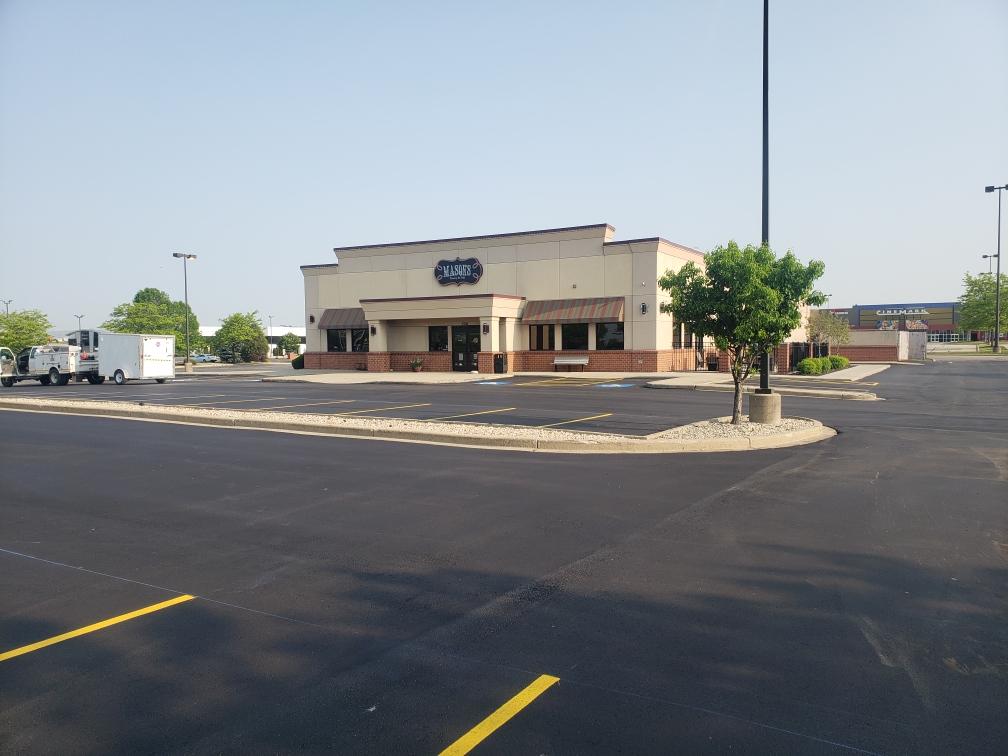
A Kenosha retail plaza hires Armored Asphalt to perform annual crack filling, sealcoating every other year, and restriping. The work keeps the lot safe and looking fresh, without changing the layout or fixing structural base failures. These recurring costs are typically deductible as repairs and maintenance in the year paid. The owner claims a parking lot repair tax deduction each year and avoids bigger problems that could force capital improvements.
Example 2: Pothole Patching After Winter Damage
A warehouse in Pleasant Prairie has several potholes and alligator cracking after freeze-thaw cycles. Armored Asphalt performs hot mix patching in affected areas, each less than 10 inches by 20 inches, and applies sealcoat to protect the surface. Because the work fixes localized damage and does not replace a major component, it usually qualifies as a current deduction.
Example 3: Full Mill and Overlay With Drainage Upgrades
An older office park in Racine needs a full mill and overlay across the entire lot plus drainage upgrades to prevent standing water. The project significantly extends the useful life of the pavement and improves stormwater performance. This is a capital improvement. The owner capitalizes the cost as a 15-year land improvement and applies current bonus depreciation rules for the year the work is placed in service. The remaining basis is depreciated over the remaining years.
What Documentation You Need for a Solid Deduction
Good records make it easier for your CPA to support a parking lot repair tax deduction. Ask Armored Asphalt to include clear detail in your estimate and invoice, and keep proof of the condition before and after the work.
- Written scope describing the problem and the repair method
- Line-item invoices separating repair work from improvements
- Photos of damage before work and of the completed repair
- Maintenance schedule showing recurring services like crack filling and sealcoating
- Materials used and patch dimensions where relevant
- Notes on whether the work changed layout, capacity, or structure
- Date placed in service for any capital improvements
Armored Asphalt provides detailed proposals and photos on request so you have a clear paper trail. This helps your accountant decide what to expense and what to depreciate.
Timing Your Work for Taxes and Operations
With a little planning, you can balance business needs, customer access, and tax benefits.
- Schedule repairs before year end to capture current deductions when cash flow allows
- Plan big capital projects early in the year to place assets in service before your busiest months
- Bundle minor repairs with sealcoating to reduce downtime and maximize maintenance value
- Coordinate snow plowing contracts and spring repairs so winter damage is addressed quickly
- Use phased work for large lots to keep part of the site open for customers and deliveries
Armored Asphalt can help you build a timeline that fits your peak season and your budget. Our crews work efficiently, communicate clearly, and keep your property as accessible as possible during service.
FAQs About the Parking Lot Repair Tax Deduction
Are sealcoating and striping deductible
Usually yes. Sealcoating and restriping done to maintain the lot’s condition and visibility are generally treated as repairs and maintenance. They are often deductible in the year paid.
Is a mill and overlay deductible
Often no. A full mill and overlay across most of the lot likely extends useful life in a significant way and is treated as a capital improvement. It is capitalized and depreciated. Limited patching or skin patch overlays in small areas may still qualify as repairs.
Do parking lot projects qualify for Section 179
Generally no for land improvements like parking lots. Section 179 mostly covers equipment and certain building improvements. Parking lots are usually depreciated as 15-year property. Ask your CPA to confirm based on current law.
Can I use bonus depreciation for a new parking lot
Often yes. Land improvements have commonly qualified for bonus depreciation under federal rules. The percentage is scheduled to phase down. For 2026, the bonus rate is set at 20 percent unless laws change. Confirm the current rate and state rules with your tax professional.
What if the project mixes repairs and improvements
Split the invoice. Ask Armored Asphalt to separate routine repair items from capital improvements. Your CPA can expense the repair portion and capitalize the improvement portion. Clear descriptions and photos help.
Why Businesses Choose Armored Asphalt in Kenosha and Beyond
Armored Asphalt is a local paving and maintenance team based in Kenosha, Wisconsin. We serve homeowners and businesses across southeast Wisconsin and northeast Illinois. Our crews deliver smooth, durable blacktop and dependable maintenance that protects your investment. We do the work right and we document it clearly so you and your CPA can make the best tax decisions.
- Paving: Long-lasting parking lots and driveways with careful grading and compaction
- Patching and pothole repair: Hot mix for long-term fixes and cold patch in winter when needed
- Sealcoating: Two-coat systems that help pavements last longer between sealing
- Crack filling: High-grade rubberized materials for tight seals before sealing or winter
- Pavement striping: Clean, compliant layouts as part of commercial maintenance plans
- Snow plowing: Commercial plowing in Kenosha, Pleasant Prairie, and Racine for safe access
We are proud to support businesses in Kenosha, Pleasant Prairie, Paddock Lake, Salem, Burlington, Union Grove, Yorkville, Raymond, Caledonia, Mount Pleasant, Sturtevant, Racine, Winthrop Harbor, Zion, Beach Park, Waukegan, and Gurnee. If you need reliable asphalt service and thorough documentation, Armored Asphalt is ready to help.
Get a Tax-Friendly Scope and Written Estimate Today
Planning a parking lot repair tax deduction starts with a clear scope. Armored Asphalt will evaluate your lot, explain repair options versus capital improvements, and provide a detailed estimate your CPA will appreciate. We can phase work to suit your budget, minimize downtime, and align with your year-end goals.
Call Armored Asphalt at (262) 515-4150 or email armoredsealcoating@gmail.com to schedule a free assessment. We will help you protect your pavement, improve curb appeal, and make the most of available tax deductions.
Disclaimer: This article provides general educational information and is not tax, legal, or accounting advice. Consult your CPA or tax advisor for guidance based on your specific facts and the current federal and state rules.