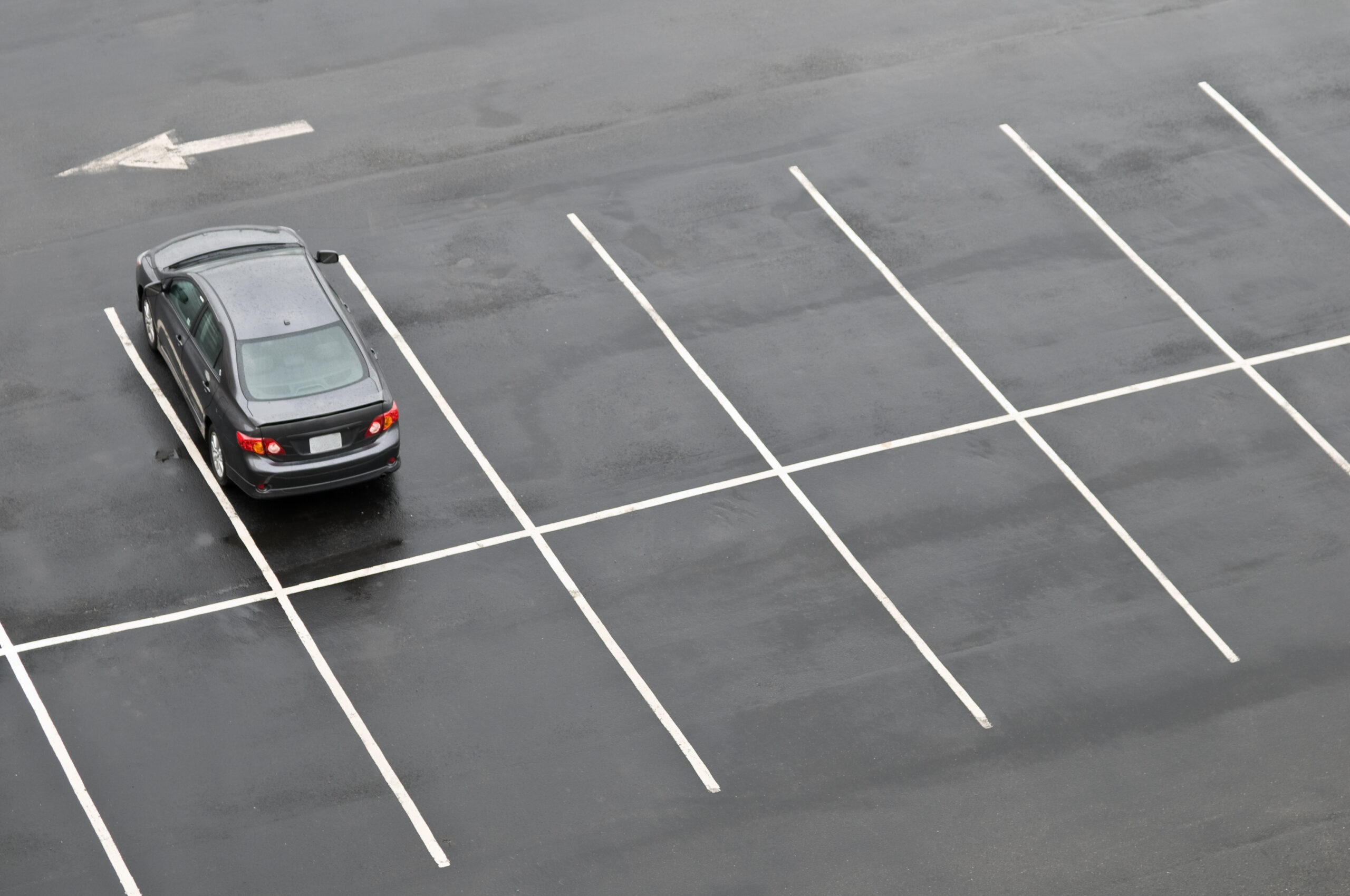
Parking Lot Lines Fading: The Quick Answer
If your parking lot lines are fading long before you expect them to, you are not alone. Harsh Midwest weather, heavy traffic, snow plowing, and the wrong paint or application method all play a part. Parking lot markings live outside in the toughest conditions. They face constant sun, temperature swings, water, salt, oil, and the grinding force of tires. The good news is you can slow down wear with the right prep, materials, and maintenance plan. In this guide, Armored Asphalt explains why paint wears quickly, how Wisconsin and Illinois weather accelerates the problem, and what you can do to protect your investment and keep your lot safe and easy to navigate.
What Causes Parking Lot Lines to Fade?
Sunlight and UV Exposure
Ultraviolet rays break down the binders in pavement paint. Over time the paint loses color and flakes away. South-facing areas and open lots with no shade tend to fade first. Long summer days add up, and even in winter UV radiation does its job whenever the sun hits the pavement. If you notice parking lot lines fading faster in bright, open sections of your property, UV exposure is a prime suspect.
Freeze-Thaw Cycles, Snow, and Salt
Southeast Wisconsin and northeast Illinois see repeated freeze-thaw cycles. Water seeps into tiny pores in the asphalt, freezes, expands, and then thaws. This movement stresses both the pavement and the paint. Add snow, ice, and salt, and you get an abrasive, chemical mix that scours markings. Salt and deicers can soften paint films. Traction sand and grit act like sandpaper. These forces are especially tough at lot entrances, slopes, and areas that collect snow piles.
Traffic Loads and Tire Scuffing
Every tire that rolls, turns, or brakes on a line grinds at the coating. Heavy trucks, delivery routes, and busy drive aisles put more shearing force on paint. Tight turning areas and stall ends see constant twisting that scrapes pigment off the surface. Narrow lanes, sharp corners, and drive-thrus are classic hotspots where parking lot lines fading shows up sooner than expected.
Snow Plows and Winter Maintenance
Snow plows are essential for safety, but blades can scrape and chip fresh markings. Plow edges that ride too low or lack shoes can catch raised texture and peel paint. Early-season storms right after striping cause extra damage because the coating has not reached full cure. Armored Asphalt provides commercial snow plowing in Kenosha, Pleasant Prairie, and Racine, and our crews take care to minimize contact with markings. Using plow shoes, setting the blade height, and clearing snow along the direction of travel instead of across lines all help protect striping.
Oil, Fuel, and Chemical Spills
Gasoline drips, motor oil leaks, and hydraulic fluid break down waterborne coatings. These fluids act like solvents and dissolve paint from the surface up. The result is patchy, light markings in drive lanes and parking stalls closest to the building or fuel delivery areas. Quick cleanup and periodic pressure washing reduce chemical damage and slow down parking lot lines fading.
Surface Condition and Preparation
Paint sticks best to a clean, dry, and sound surface. Dirt, dust, road film, and chalky oxidation can prevent proper adhesion. If the pavement is oxidized, rough, or brittle, paint sits on loose particles instead of bonding. Moisture trapped in pores can cause bubbles and poor film build. Proper cleaning and crack filling make a big difference. At Armored Asphalt, we use high-grade rubberized crack fill to prepare the surface and help lines seal tight after sealcoating.
Pavement Age and Oxidation
As asphalt ages, its binder oxidizes and the surface becomes dry and gray. This chalky skin makes it harder for paint to anchor. Sealcoating restores a smooth, uniform surface that helps paint last longer. Without periodic sealing, paint wears down faster, and the lot loses contrast and readability. A sealed and maintained blacktop makes brighter lines and safer parking.
Application Errors and Paint Quality
Not all striping jobs are equal. Common mistakes include applying too thin a coat, moving too fast with the striping machine, or painting in poor weather. High humidity, cold temperatures, and damp pavement slow drying and weaken adhesion. Paint choice matters too. Low-cost coatings can wash out sooner. The right product, applied at the right thickness after proper prep, is key to reducing parking lot lines fading.
Do Different Paints Last Longer?
Yes. Your choice of marking material affects how long lines stay bright and visible. Each product has a place based on budget, usage, and weather conditions.
Waterborne Acrylic Paint
Waterborne acrylic is the most common coating for parking lots. It is low odor, quick to dry in warm, dry conditions, and cost effective. Quality waterborne paints resist UV and hold color well when applied at the correct thickness. They are a strong choice for most commercial lots in Wisconsin and Illinois when paired with proper maintenance.
Solvent-Based Paints
Solvent-based or alkyd paints can tolerate a wider range of temperatures and sometimes adhere better to older, chalky surfaces. They can be helpful in shoulder seasons but may have longer cure times in cold weather. Environmental rules may limit their use in some areas, so always consult a professional. With solid prep, they can outperform low-grade waterborne paint.
High-Performance Markings
Thermoplastic, methyl methacrylate, and epoxy markings are long lasting and often used on roads. They cost more and require specialized application. In some high-wear spots like loading zones or high-traffic crosswalks, they can be worth considering. For most private parking lots, a quality acrylic paired with sealcoating and smart plowing offers the best balance of cost and life.
How to Make Your Lines Last Longer
A few smart steps can extend stripe life, improve safety, and reduce long-term costs. Armored Asphalt builds these best practices into our maintenance plans for clients across Kenosha, Racine, and northern Lake County.
Sealcoat on a Set Schedule
Sealcoating keeps water and chemicals off your pavement and restores a uniform, dark finish that takes paint well. Our two-coat sealcoating system helps pavements last up to twice as long between sealings and improves striping performance. Sealing every 2 to 3 years under normal conditions is a good target in our climate.
Time the Work for the Weather
Paint cures best in moderate temperatures with low humidity and a dry surface. Aim for overnight lows above 50 degrees and make sure rain is not in the forecast. In spring and fall, allow extra cure time before opening to traffic or plowing.
Prep the Surface
- Clean the lot to remove dust, dirt, and leaves.
- Degrease oil spots so paint can stick.
- Repair potholes and fill cracks with a rubberized material.
- Sealcoat first if the surface is oxidized or patchy.
- Allow full dry time before striping.
Choose the Right Product and Thickness
Use a high-quality acrylic traffic paint designed for asphalt. Apply at the manufacturer’s recommended wet film thickness to build a durable layer. Cheap paint or thin coats fade quicker. Armored Asphalt uses professional-grade materials that balance brightness, durability, and dry time.
Design for Durability
- Widen turning radii where possible to reduce tire scuffing on lines.
- Place stop bars a bit back from intersections to avoid grinding from turning tires.
- Use stencils sized for visibility and longer legibility.
- In heavy-wear zones, consider a more durable marking product.
Protect Markings During Winter
- Set plow blades with shoes or a small gap to avoid scraping paint.
- Plow along the direction of long lines rather than across them when possible.
- Avoid aggressive use of steel shovels on freshly striped areas.
- Use the right salt amount and clean excess grit in spring.
Maintain Drainage
Standing water lifts paint and encourages peeling. Keep catch basins clear, fix settled areas that pond, and ensure proper slope during paving. Dry pavement supports stronger adhesion and less wear.
How Often Should You Restripe?
In the Midwest, most commercial lots need restriping every 12 to 24 months. The exact timeline depends on traffic, exposure, and maintenance. High-traffic retail and healthcare sites may need annual touchups. Office parks and residential associations often last two seasons. Lots that are sealcoated regularly and plowed with care tend to keep their markings longer. If you notice parking lot lines fading to the point where stalls are unclear or arrows are hard to see, it is time to restripe for safety and compliance.
Signs Your Lot Needs New Lines
- Drivers straddle stalls or park outside of faded lines.
- Crosswalks and ADA symbols are not visible from a distance.
- Stop bars and directional arrows are light or patchy.
- Fire lanes and no-parking zones are difficult to read.
- You receive complaints about confusion or unsafe traffic flow.
- Your property looks dull even after cleaning.
Safety, Compliance, and Curb Appeal
Faded markings are more than an eyesore. Clear striping supports ADA compliance, emergency access, and safer pedestrian movement. Bright, accurate lines help prevent fender benders and reduce congestion. Fresh markings also lift curb appeal and present a professional image to customers and tenants. Tackling parking lot lines fading before it becomes a hazard protects people and your property.
The Armored Asphalt Approach
Armored Asphalt is a local asphalt paving and maintenance company based in Kenosha, Wisconsin. We serve homeowners and businesses across southeast Wisconsin and northeast Illinois. Our team delivers superior paving, crack and pothole repair, sealcoating, and parking lot striping. We also offer commercial snow plowing to keep properties safe in winter. Here is how we help your lines last longer.
Assessment and Planning
We start with a site walk to check traffic patterns, pavement condition, drainage, and visibility. We confirm local specifications, ADA requirements, and your layout needs. If lines are fading due to surface oxidation or winter wear, we tailor a plan that fits your budget and timeline.
Repair, Crack Filling, and Sealcoating
Before striping, we repair potholes and fill cracks using high-grade rubberized material. This creates a tighter seal, reduces moisture intrusion, and supports better adhesion. Our two-coat sealcoating service restores the deep black finish that makes lines pop and helps them resist UV and water.
Professional Striping and Compliance
After repairs and sealing, we stripe to your exact specifications. Stalls, ADA spaces, crosswalks, stop bars, arrows, and fire lanes are laid out for safety and smooth traffic flow. We use quality materials and calibrated equipment for crisp, durable markings. Proper dry times are scheduled around weather and your operating hours.
Winter Services and Ongoing Maintenance
In winter, our snow plowing teams in Kenosha, Pleasant Prairie, and Racine clear lots and sidewalks while protecting your pavement and striping. We can set up annual maintenance that includes inspections, cleaning, and timely restriping so that parking lot lines fading does not catch you by surprise.
Paving, Patching, and More
Beyond striping and sealcoating, Armored Asphalt installs durable blacktop for driveways and parking lots. We offer hot mix patching for long-lasting repairs and cold patching as a temporary winter fix. Addressing base failures and surface distress prevents premature wear on markings by creating a stable, smooth surface where paint can hold.
Primary Service Areas
Armored Asphalt serves Kenosha, Pleasant Prairie, Paddock Lake, Salem, Burlington, Union Grove, Yorkville, Raymond, Caledonia, Mount Pleasant, Sturtevant, Racine, Winthrop Harbor, Zion, Beach Park, Waukegan, and Gurnee. If your business or property is in southeast Wisconsin or northeast Illinois, our crews are nearby and ready to help.
Frequently Asked Questions
Why did my new lines fade after the first winter?
Early-season storms, plow contact, salt, and freeze-thaw stress can cut the first year short, especially if the lot was not sealed or the paint lacked time to fully cure. A follow-up restripe in spring often resets the cycle, and proper plowing reduces future wear.
Will sealcoating cover or ruin my striping?
Sealcoating will darken and mask old lines. That is normal. We seal first, allow full cure, then restripe with bright, high-contrast markings. This approach delivers the best look and helps paint last longer.
Is it worth upgrading to premium markings in a parking lot?
For most lots, a quality acrylic paint applied correctly on a sealed surface is the best value. In limited high-wear spots, a more durable marking may make sense. We can recommend options based on your traffic and budget.
Simple Steps to Stop Parking Lot Lines Fading
- Fix potholes and fill cracks before winter each year.
- Sealcoat on a regular two to three year cycle.
- Schedule striping in warm, dry conditions and allow proper cure time.
- Choose professional-grade paint and apply at the right thickness.
- Train plow crews to protect markings or hire Armored Asphalt to plow with care.
- Clean oil spots and sweep grit in spring to reduce abrasion.
- Repaint high-wear areas annually if needed.
Get a Quote from Armored Asphalt
If you are tired of parking lot lines fading too fast, Armored Asphalt can help. Our team combines expert prep, quality materials, and a maintenance mindset to deliver longer-lasting striping and safer lots. Call (262) 515-4150 or email armoredsealcoating@gmail.com to schedule an assessment. We are based in Kenosha and proudly serve southeast Wisconsin and northeast Illinois.
Protect your pavement, extend the life of your markings, and keep your property looking sharp. With the right plan and a trusted local partner, your lines can stay bright and readable all season long.