Why Parking Lot Crack Repair Timing Matters
If you are managing a commercial property, you already know cracks never stop at the surface. Water, winter freeze and thaw cycles, and heavy vehicle traffic can turn a thin line into a pothole or a network of failed asphalt. The key to preventing those major repairs is simple: act fast. Parking lot crack repair timing often decides whether you pay for a low-cost crack fill this season or a full-depth patch next year. In this guide, the team at Armored Asphalt breaks down how long different cracks can sit, what signs to watch, and the best repair windows for southeast Wisconsin and northeast Illinois.
What Makes Cracks Grow and Costs Rise
Cracks form for many reasons, but the most common drivers that turn small defects into big bills are well known in our region. Understanding them will help you plan maintenance and protect your budget.
- Water infiltration: Once water gets below the surface, it weakens the base. In winter, trapped moisture freezes and expands, forcing cracks to widen and creating voids that later become potholes.
- Freeze and thaw cycles: Wisconsin and Illinois see repeated temperature swings. Each cycle opens the crack a little more and breaks down the bond around the edges.
- Oxidation and sunlight: UV exposure dries out asphalt binders. The surface becomes brittle, making it easier for cracks to ravel and spread under traffic.
- Heavy loads and traffic: Frequent turning, delivery trucks, and garbage collection compress and shear the pavement, especially near joints and drains.
- Snow plowing and deicers: Plow blades can catch on raised edges. Salt and chemicals accelerate surface wear and moisture penetration.
All of these factors compound with time. Early crack filling blocks water, keeps fines in place, and slows the chain reaction. Delays allow more water in, more erosion, and eventually larger structural repair needs.
Parking Lot Crack Repair Timing at a Glance
Every crack is different, and your site conditions matter. Still, there are practical timelines you can use to decide when to act. Use these as general rules, then have a pro confirm on site. Armored Asphalt offers fast inspections in Kenosha and nearby cities to help you plan the right next step.
- Hairline cracks (less than 1/8 inch wide): Treat within 1 to 3 months, or before the next freeze season. Waiting a full season can allow water to penetrate and turn hairlines into wider, connected cracks.
- Narrow line cracks (1/8 to 1/4 inch): Schedule repair within 30 to 60 days. These are prime candidates for routing and hot rubberized crack fill.
- Moderate cracks (1/4 to 1/2 inch): Address within 2 to 4 weeks. Left alone, these commonly widen and begin raveling at the edges.
- Wide or working cracks (over 1/2 inch) or with movement: Treat immediately. These often need routing plus high-grade rubber filler, and in some cases localized patching.
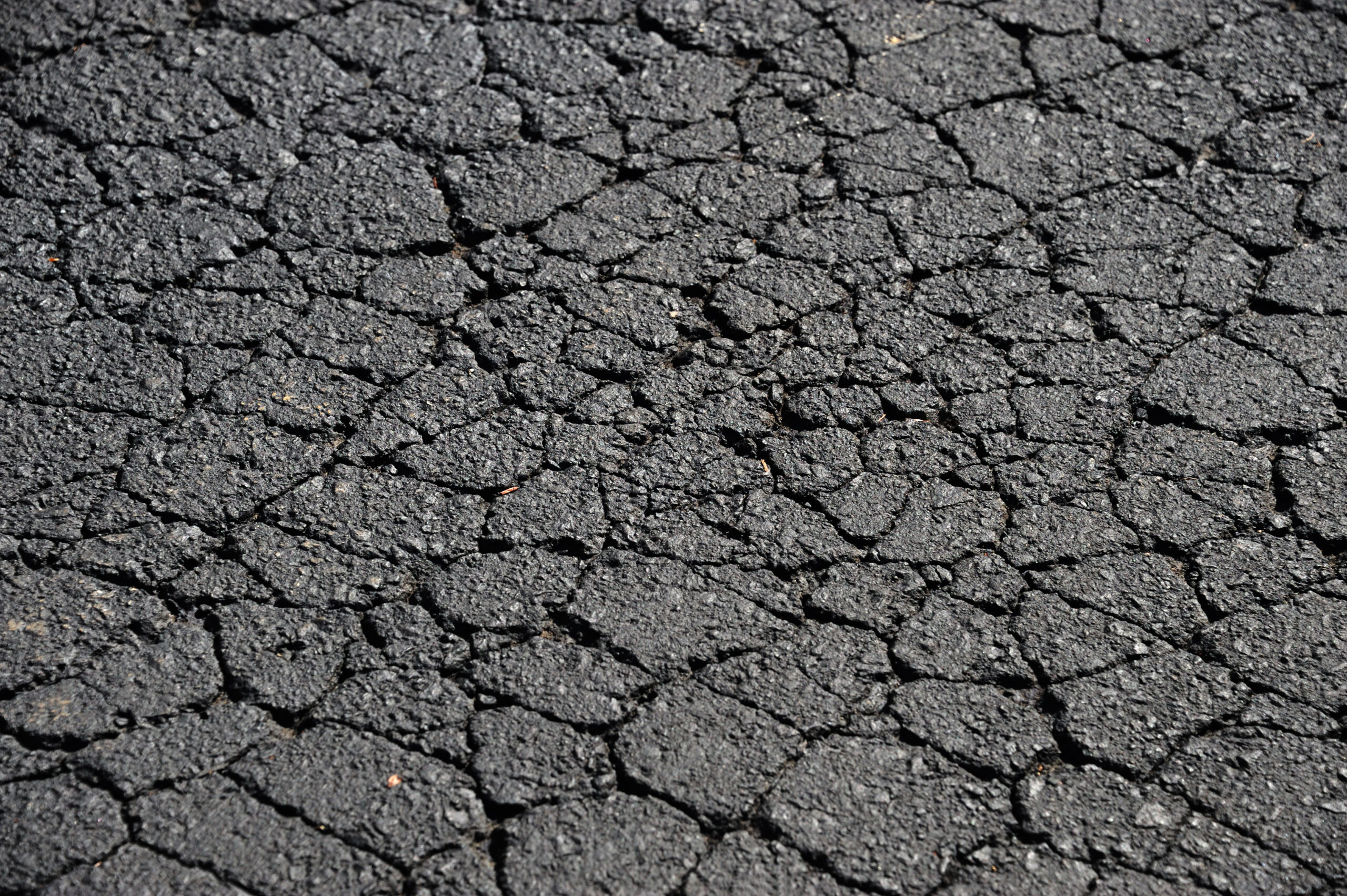
- Alligator cracking (web of small blocks): Do not wait. This is a sign of base failure. The repair typically requires a full-depth or at least a remove-and-replace patch, not just crack fill.
- Edge cracks near curbs or along the perimeter: Plan repairs within 30 days. These areas often see base washout and can fail quickly after heavy rains.
- Cracks near drains and low spots: Repair within 2 to 4 weeks. Standing water speeds deterioration.
The bottom line is simple: the best parking lot crack repair timing is as soon as possible, with priority given to moderate and wide cracks, areas with ponding, and any alligator cracking.
Seasonal Repair Windows for Wisconsin and Illinois
Temperature and moisture control the quality of asphalt repairs. In southeast Wisconsin and northeast Illinois, plan your preventive work around these typical conditions.
- Spring (April to early June): Ideal for crack filling and sealcoating once overnight lows are stable and the surface is dry. This sets up your lot for heavy summer traffic.
- Summer (June to August): Good for crack fill and patching, with careful scheduling during heat waves. Sealcoating is fine as long as temps and humidity are within product specs.
- Early fall (September to October): Often the best quality window for both crack fill and sealcoating, thanks to mild temps and lower humidity.
- Late fall and winter: Crack filling becomes limited by temperature and moisture. Cold patch is a workable temporary option for safety and continuity, with permanent hot mix repairs scheduled in spring.
Armored Asphalt crews plan work when temperatures are in the recommended range and the pavement is clean and dry. If weather turns, we reschedule to maintain quality. That attention to timing helps your repairs last longer and reduces repeat costs.
Signs a Crack Cannot Wait
Some cracks move from routine maintenance to urgent repair fast. If you see any of the following, call Armored Asphalt for a site visit.
- Granular edges and loose material coming out of the crack
- Pumping or wetness when you step near the crack after rain
- Visible base material or voids under the surface
- Crack displacement where one side is higher than the other
- Alligator cracking spreading from a single crack line
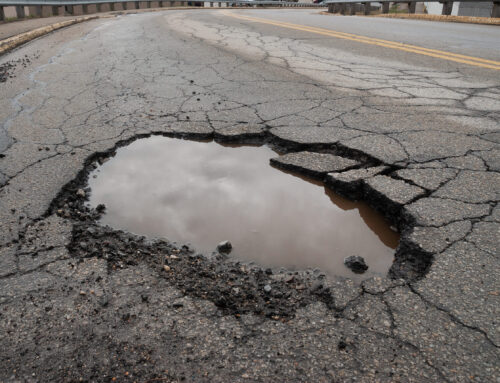
- New potholes forming along a crack path
- Recurring crack growth after you sweep or blow the area clean
These are red flags that water and movement are already undermining the structure. Waiting risks larger failures and higher costs.
What Happens if You Delay: One Season, One Year, Two Years
It can be tempting to push crack repairs to the next budget cycle. The problem is the parking lot does not wait. Here is a realistic picture of how costs change over time. Actual pricing varies by site and scope, but the trend is consistent in our market.
- Delay one season: Hairline and narrow cracks typically widen and multiply, especially through one winter. You lose the chance for simple crack fill in some areas and begin to need routing plus fill. Sealcoating, which should follow crack fill, may be delayed or require extra prep.
- Delay one year: Moderate cracks can turn into alligator cracking or form potholes. At this point, you move from linear feet of crack fill to square feet of patching. Unit costs rise because the crew must cut, saw, remove, and replace asphalt, then compact and cool.
- Delay two years: Multiple patches add up and the surface loses uniform support. You may face a larger mill and overlay sooner than expected, which is the most expensive path in the long run.
Quick action is usually the budget saver. Filling cracks early protects the base and slows oxidation, which buys years of extra life for the lot. That is why parking lot crack repair timing is one of the highest return decisions a facility manager can make.
Cost Control: Simple Math for Smart Decisions
Every property is different, but the concept is consistent. You want to spend small dollars on prevention to avoid large dollars on reconstruction. Consider this general comparison.
- Proactive plan: Inspect quarterly, clean and crack fill seasonally, and sealcoat on schedule. You reduce water infiltration and extend pavement life.
- Reactive plan: Skip crack filling and sealcoating, fix potholes as they appear, and patch frequent failures. You pay more per square foot in the long run and deal with more downtime.
Armored Asphalt works with property managers to set realistic budgets and schedules that stick. We can phase work by priority zones, plan night or weekend service to keep traffic moving, and provide documentation for stakeholders.
A Practical Maintenance Timeline You Can Use
Use this simple checklist to keep your lot in top shape. Adjust the schedule based on traffic level and weather, and ask Armored Asphalt for site-specific guidance.
- Quarterly walk-through: Note new cracks, ponding, or raveling. Pay attention to entrances, drive lanes, and loading areas.
- Spring cleanup: Sweep, power blow, and remove debris. Cleaned surfaces make defects easier to see and prepare the lot for service.
- Spring crack fill: Prioritize moderate and wide cracks, then address hairlines. Plan routing and hot rubberized fill before sealcoating.
- Sealcoat in spring or early fall: Two-coat application helps lock in crack fill, blocks UV, and makes your lot look new. Stripe once the seal is cured.
- Mid-season check: After the first heat wave and storms, look for new movement or edges starting to unravel.
- Fall crack touch-ups: Address any new openings before winter. Seal up edges near curbs and drains to keep water out of the base.
- Winter safety: Use cold patch as a temporary measure for potholes. Schedule permanent hot mix patching for spring.
This cycle helps you catch problems when they are small and keeps the surface tight and safe for customers and staff.
Professional Repair Options From Armored Asphalt
Armored Asphalt is a local asphalt paving and maintenance company based in Kenosha, Wisconsin. We serve homeowners and businesses throughout southeast Wisconsin and northeast Illinois with a full menu of services built around quality and timing.
- Paving: We install durable, smooth blacktop for driveways and parking lots with a focus on base preparation and compaction.
- Patching and pothole repair: We use hot mix for strong, long-lasting patches and cold patch for temporary winter fixes. Our crews can tackle small patches and larger cut-and-replace repairs.
- Sealcoating: Our two-coat system restores protection and curb appeal. A proper seal slows oxidation and helps pavement last longer between sealing cycles.
- Crack filling: We apply high-grade rubberized crack fill. We recommend filling cracks before sealcoating and again before winter as needed to keep water out.
- Pavement striping: After repairs and sealcoating, we stripe to your layout and compliance needs for clear, safe traffic flow.
- Snow plowing: In winter, we offer commercial snow plowing in Kenosha, Pleasant Prairie, and Racine to keep lots and sidewalks open and safe.
Because we work year round in this climate, we match each service to weather windows and product specifications. That protects your investment and maximizes the life of each repair.
Why Choose a Local Team for Crack Repair
Local knowledge matters for parking lot crack repair timing. In Kenosha, Racine, and the Lake County area, timing is about more than temperature. It is about predicting freeze lines, planning around lake-effect moisture, and timing sealcoating between storms and humidity swings. Armored Asphalt understands these patterns and schedules work to meet the conditions. We prepare sites correctly, use proven materials, and communicate clearly. Our goal is to finish repairs that last and help you avoid premature resurfacing.
FAQs: Your Crack Repair Questions Answered
Can I wait until spring to fix cracks that show up in late fall?
If cracks are narrow and temperatures are already too low for proper hot rubberized fill, it can be reasonable to monitor and plan for early spring service. If a crack is widening, near a drain, or showing raveling, use a temporary solution or schedule the earliest possible date when conditions allow. The goal is to keep water out through winter.
Do I need to sealcoat right after crack filling?
Crack filling and sealcoating work best as a pair, but they do not have to be done the same day. Many clients crack fill first, then sealcoat within a season. Sealcoating adds UV protection and helps create a tight surface that complements the crack filler.
How clean and dry does the pavement need to be for crack fill?
Very clean and completely dry. Dust, vegetation, moisture, and debris reduce adhesion. Armored Asphalt removes vegetation, blows out cracks, and ensures the surface is dry before application.
What if my lot has alligator cracking?
Alligator cracking signals a base or subbase problem. Crack filling alone will not solve it. Expect milling and patching or full-depth replacement in those zones. Quick action limits how far the failure spreads.
Will you restripe after sealcoating?
Yes. Armored Asphalt provides pavement striping as part of our commercial maintenance plans. We can match your layout and meet your parking and ADA needs.
How often should I schedule inspections?
At least quarterly. High-traffic properties or lots with frequent heavy trucks benefit from monthly checks. After major storms or freeze events, do a quick review of known weak spots.
Local Service Areas
Armored Asphalt proudly serves Kenosha, Pleasant Prairie, Paddock Lake, Salem, Burlington, Union Grove, Yorkville, Raymond, Caledonia, Mount Pleasant, Sturtevant, Racine, Winthrop Harbor, Zion, Beach Park, Waukegan, and Gurnee. If your property is in southeast Wisconsin or northeast Illinois, our crews are nearby and ready to help.
Next Steps: Get a No-Pressure Assessment
Do not wait for small cracks to become big repairs. The best parking lot crack repair timing is before water and winter can do more damage. Armored Asphalt can inspect your lot, explain priorities, and plan repairs in the right weather window. Call (262) 515-4150 or email armoredsealcoating@gmail.com to schedule an assessment.
Summary: The Smart Way to Prevent Expensive Repairs
Cracks are the first sign your parking lot needs attention, and timing is everything. Treat hairline and narrow cracks within weeks to months. Make moderate and wide cracks a near-term priority. Do not delay when you see alligator cracking, raveling, or moisture pumping. Plan work for spring and early fall when conditions allow for strong bonds and clean finishes. Pair crack filling with sealcoating, then restripe for a complete refresh. With a steady maintenance plan and a local partner like Armored Asphalt, you can keep water out, keep traffic safe, and keep major repair costs off your balance sheet.
Armored Asphalt is ready to help with inspections, crack filling, sealcoating, patching, paving, and striping. Our team understands the specific demands of southeast Wisconsin and northeast Illinois, and we schedule work to fit your operation. Reach out today so your lot gets the care it needs at the right time.