If you sealed your driveway or parking lot last year and now see peeling, flaking, or bald spots, you are not alone. Many property owners ask why a fresh black surface fails after a single freeze season. The short answer is that winter in our region is tough on pavement, and a number of small mistakes during prep, application, or timing can add up to early failure. The good news is you can prevent peeling with the right plan, materials, and contractor. In this guide, Armored Asphalt explains the real reasons sealcoat peels in our climate and how to protect your investment for years to come.
What Peeling Looks Like and Why It Matters
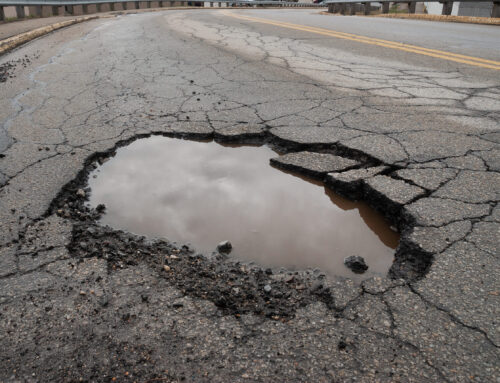
Peeling often starts in high wear zones like turns, entrances, and along edges. It may show as gray patches where black sealer has lifted, thin shavings near scrapes from snow plows, or small areas where the coating curls up. Left alone, peeling lets water and salt soak into the asphalt. That speeds cracking, potholes, and the cycle of costly repairs. Sealcoating should seal the surface against moisture, UV, and chemicals. When it peels, that shield is gone and the base asphalt oxidizes faster.
The Science Behind Winter Peeling in Southeast Wisconsin
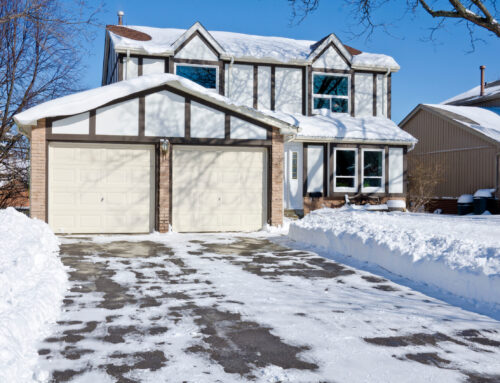
Our local weather is a perfect recipe for coating stress. The daily freeze and thaw swings flex pavement over and over. Moisture seeps into hairline cracks, freezes, expands, and breaks the bond between sealer and asphalt. Road salt and liquid de-icers attack some sealers and soften them. Add scraping from plow blades and heavy tires, and a thin or poorly bonded coating will not survive a full season.
Key regional stressors
- Frequent freeze-thaw cycles that flex the surface
- Salt, brines, and sand that chemically and mechanically abrade coatings
- Snow plow contact along edges, at curb lines, and near drains
- Winter moisture trapped under a coating that was applied to damp pavement
- Cold ground temperatures that slow or stop proper curing
Common Application Mistakes That Lead to Peeling
Even quality material can peel if it was applied under poor conditions or without proper prep. In our service area, these are the mistakes Armored Asphalt sees most often during inspections.
Insufficient surface cleaning
Dust, leaves, or loose grit act like a layer of ball bearings between the coating and the asphalt. Oil drips or tree sap prevent bonding. Any sealer laid on top of contamination will lift quickly once winter hits.
Sealing over active cracks and potholes
Open cracks allow water beneath the sealer. As that water freezes and expands, it pushes the coating off the surface. Cracks must be cleaned and filled with rubberized crack-fill before any coating is applied, and failed areas should be patched.
Too much water in the mix
Contractors sometimes thin the product to stretch coverage. An over-thinned mix dries weak and chalky. It may look good for a few weeks, but it cannot withstand winter traffic or plowing.
Single coat instead of two coats
One thin pass is tempting when budgets are tight, but it rarely stands up to our climate. A two-coat system builds a stronger film and gives you a more even result. Armored Asphalt uses a two-coat process to help pavements last longer between sealing.
Applying at the wrong thickness
Too thin means less protection. Too thick traps moisture and solvents, which later blister or peel. A skilled crew controls thickness by using the right tools, sand load, and passes for the surface.
Wrong tools for the surface
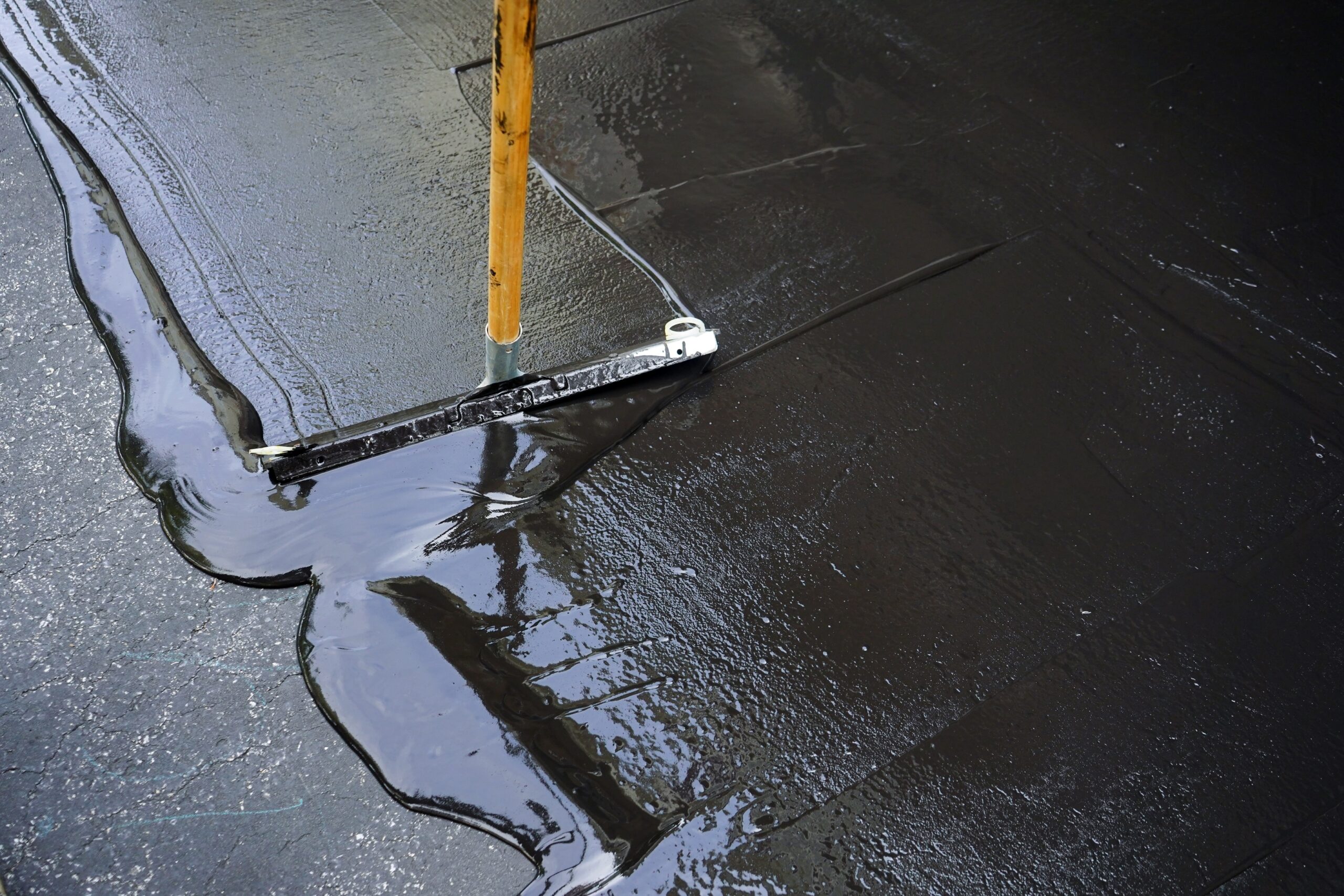
Squeegae-only application can leave a thin film on rough or porous pavement. Spray-only on smooth driveways can leave it too slick. Combining precise spray application with squeegee work at edges and high wear areas often delivers the best bond.
Material Quality and Mix Design Matter
Not all sealers are equal. Low-grade sealer or a watered-down mix fails fast, especially in cold regions. Quality materials should be polymer-modified, include proper sand for traction and strength, and be mixed to the manufacturer’s specification. The right additives improve flexibility and resistance to salts and fuels. Armored Asphalt selects high-solids, professional-grade materials and blends them with measured sand to build a tougher surface that resists scuffing and winter wear.
Oil spot primers and bonding aids
Oil and gas spills soften asphalt. If these areas are not treated with a primer before sealing, the coating will slide or peel. A proper primer helps the sealer grip rather than float on the oil-stained spot.
Timing and Weather Windows in Our Region
Timing is a huge factor in whether a sealcoat survives its first winter in Southeast Wisconsin. Sealer must cure, not just dry. Cure times depend on temperature, sunlight, humidity, and airflow. Late fall and early spring come with cool nights and morning dew that slow curing and lock in moisture.
Best practice weather guidelines
- Air and surface temperatures should be at least 50 degrees and rising during application and for 24 hours after
- No rain in the forecast for 24 hours, ideally longer for shaded lots
- Ground temperature can be cooler than air, so early or late season jobs need extra caution
- Watch the dew point. High humidity and heavy dew can cause blushing and weak film formation
Armored Asphalt schedules projects within safe weather windows and adjusts methods for shade, wind, and overnight temperatures. We would rather delay a job than apply under risky conditions that shorten the life of the work.
Site Conditions That Sabotage Sealcoating
Sometimes the site itself causes peeling. Uneven or failing pavement, poor drainage, and constant water exposure can undermine even the best material.
Drainage and ponding
If water pools on your driveway or lot after rain or snow melt, it leaches into the coating and weakens it. Standing water plus freeze-thaw is a common cause of early peeling at low spots. Simple grading fixes or small patches can stop the problem.
Shade and microclimates
Heavily shaded areas cure more slowly than sunny spots. These zones need longer dry times or may require a different application timing. If a contractor treats the whole surface the same, shaded sections are likely to fail first.
Aging or polished pavement
Old, oxidized asphalt is porous and thirsty. It needs more prep, sometimes a primer, and often a heavier sand load for grip. By contrast, a very smooth, polished surface can be hard for coatings to bond to. The approach should be tailored to the surface.
Traffic, Snow, and Salt: Real-World Winter Wear
Even a well-applied coating faces abuse from vehicles and winter maintenance. Here is what accelerates wear and how to manage it.
- Plow blades scrape edges and high spots. Use properly set rubber or poly edges where possible, and lift blades slightly at joints and corners
- Salt and brine soak into the film. Rinse heavy accumulations during thaws if you can
- Power steering scuffs twist the film in tight turns. Consider traffic markings that guide wider turn radii and take it easy for the first few weeks after sealing
- Heavy trucks crush thin coatings. A two-coat system and added sand hold up better in loading zones
How Armored Asphalt Prevents Peeling
Armored Asphalt is a local paving and maintenance company based in Kenosha and serving Southeast Wisconsin and Northeast Illinois. Our crews seal driveways and parking lots with care that fits our climate. We focus on the key steps that make a real difference when winter hits.
Thorough prep every time
- Deep cleaning with power blowers and brooms to remove dust and debris
- Oil spot treatment and priming for proper adhesion
- Crack filling with high-grade rubberized material before sealing
- Hot mix patching for lasting repairs, with cold patch available as a temporary winter fix. We can handle patches up to 10 x 20 inches
A proven two-coat system
We apply two coats to build a tougher barrier and more attractive finish. This helps pavement last longer between sealing cycles and reduces the risk of scuffing and peeling when snow removal starts.
Right materials and mix
We use professional-grade sealer with polymer additives and a measured sand blend for strength and traction. The mix is never over-thinned. Edges and high-wear zones receive extra attention for a stronger bond where it matters most.
Weather-smart scheduling
We choose days with safe temperature and humidity, watch the dew point, and factor in sun exposure. If the forecast is risky, we reschedule. That patience pays off when your coating faces its first winter.
What You Can Do to Prevent Peeling
Property owners play a big part in success. Follow these steps before and after work to help your coating cure strong and last longer.
- Schedule sealing in late spring through summer when nights are warmer
- Address drainage issues and patch failures before sealing
- Keep sprinklers off pavement for at least 48 hours after sealing
- Stay off the surface until the contractor clears it for traffic. Typically 24 to 48 hours for cars and longer for heavy trucks
- Avoid sharp turns and parking in the same spot during the first two weeks
- Clean up oil drips quickly and call for spot prime and touch-ups if needed
- Use careful plow techniques and avoid spinning tires on ice over fresh sealcoat
When to Reseal, Repair, or Repave
Sealcoating is a maintenance layer, not a structural fix. If your asphalt is severely cracked or alligatored, sealing alone will not solve it.
- Reseal every 2 to 3 years for typical residential driveways, and more often for high-traffic commercial lots
- Crack fill annually before winter to keep water out of the base layers
- Patch potholes and failed areas before sealing to prevent peeling around weak spots
- Consider repaving if more than 30 percent of the surface is cracked or the base is soft
Armored Asphalt offers full service solutions. Our team installs durable blacktop, performs hot mix patching, fills cracks, applies a two-coat seal, and stripes commercial lots. We also provide snow plowing in Kenosha, Pleasant Prairie, and Racine to keep access safe all winter.
Frequently Asked Questions About Asphalt Sealcoating in Southeast Wisconsin
Why did my new sealcoat peel after the first snow?
It likely did not cure fully or bond properly before winter. Common causes include damp pavement at application, cool nights and dew, thin or watered-down material, sealing over cracks or oil spots, or plow scraping on a weak film.
Is peeling always the contractor’s fault?
Not always. Some sites have poor drainage or heavy winter traffic that accelerates wear. That said, a knowledgeable contractor should evaluate and address those risks with better prep, timing, and materials.
What temperatures are safe for sealing?
The best results come when air and surface temperatures are at least 50 degrees and rising for 24 hours after application, with no rain in the forecast. Warmer and sunnier is better for curing.
How long before I can drive on new sealcoat?
Plan for 24 to 48 hours for passenger vehicles, depending on weather. Heavy trucks and tight turning should wait longer. Your crew will advise based on conditions.
Is two coats really necessary?
In our climate, yes. A two-coat system delivers a stronger film and better protection against winter salt and plows. Armored Asphalt uses two coats as a standard because it consistently performs better through winter.
What is included with Armored Asphalt’s commercial maintenance?
We repair cracks and potholes, apply a two-coat seal, and stripe your parking lot to meet your layout. Routine maintenance reduces risks of peeling and keeps your lot looking professional.
Why Choose Armored Asphalt
Armored Asphalt is local, experienced, and focused on quality. We are based in Kenosha and serve homeowners and businesses across Southeast Wisconsin and Northeast Illinois. Our services include paving, patching and pothole repair, sealcoating, crack filling, pavement striping, and commercial snow plowing. Our team is known for clear communication, careful scheduling, and durable results that stand up to winter.
Primary service areas
We serve Kenosha, Pleasant Prairie, Paddock Lake, Salem, Burlington, Union Grove, Yorkville, Raymond, Caledonia, Mount Pleasant, Sturtevant, Racine, Winthrop Harbor, Zion, Beach Park, Waukegan, and Gurnee.
Get a Free Inspection and Estimate
If you are concerned about peeling or want to plan your next maintenance schedule, Armored Asphalt can help. We will inspect your driveway or lot, check drainage and cracks, and recommend the right approach for your site. Our goal is to save you money by preventing early failure and extending the life of your pavement.
Call Armored Asphalt at (262) 515-4150 or email armoredsealcoating@gmail.com to book your free inspection. Ask about our two-coat system and crack filling service to protect your investment before winter returns.
Final Word: Stop Peeling Before It Starts
Peeling after one winter is not normal when the work is done right for our climate. The winning formula is simple: clean, dry pavement, professional-grade materials, a two-coat system, attention to cracks and oil spots, and smart timing. Add careful winter plowing and your sealcoat can last. For asphalt sealcoating Southeast Wisconsin can trust, partner with Armored Asphalt. We handle the details that matter so your driveway or parking lot looks sharp and stays protected, season after season.