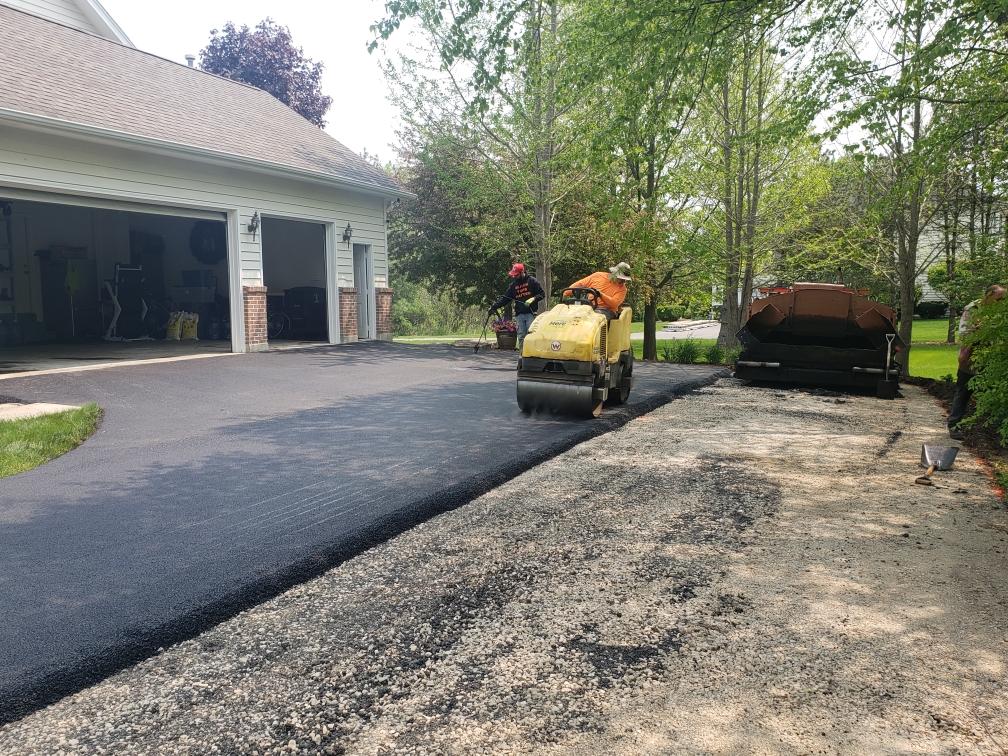
Plan Your Paving With Confidence
Wondering about the best time for asphalt paving in Wisconsin? The right season makes a big difference in how long your driveway or parking lot lasts. In this guide, Armored Asphalt explains the ideal months, temperature tips, and smart scheduling strategies for homeowners and businesses across southeast Wisconsin and northeast Illinois. If you are ready to plan your project, our local team in Kenosha is here to help with expert paving, crack repair, sealcoating, and striping. Get a free estimate today and book your spot in the prime paving season.
Why Timing Matters for Asphalt in Wisconsin
Wisconsin pavements face challenging weather. Freeze and thaw cycles, spring rain, summer heat, and fall temperature swings all impact how asphalt behaves. Asphalt is a mix of aggregate and liquid binder. It needs the right surface temperature and air temperature to compact properly and bond to the base. When you choose the right month and monitor weather closely, you get a smoother surface, stronger edges, and fewer cracks over time.
Armored Asphalt has installed and maintained blacktop for years in Kenosha, Racine, Pleasant Prairie, and nearby communities. We plan each project around local weather patterns so your asphalt cures correctly and stands up to traffic, salt, and snow. The result is a surface that looks great and lasts longer with less expensive maintenance.
Ideal Weather Conditions for Asphalt
Temperature Targets
The best time for asphalt paving lines up with steady, warm conditions. Here is what we look for in Wisconsin:
- Air temperature between 60 and 85 degrees Fahrenheit for most jobs
- Surface and ground temperatures at or above 50 degrees and rising
- No frost in the soil and no freezing nights within 48 hours after paving
- Sunny or partly sunny skies to help the mat set
These targets give our crews enough working time to place, grade, and compact the mix for a dense, durable surface. Cooler weather shortens compaction time and can lead to weak seams. Extreme heat can also require adjustments to rolling and scheduling to protect the finish.
Humidity, Wind, and Rain
Humidity and wind affect moisture evaporation and cooling. Moderate wind and lower humidity generally help the asphalt set and cure evenly. Rain is the biggest concern. Paving during or just before a rain event can trap moisture, wash out fines, and create weak spots. Armored Asphalt checks forecasts and uses flexible scheduling so we do not pave when rain is likely within 24 hours.
The Best Time for Asphalt Paving by Season
Late Spring: May to Early June
Late spring is a strong start to the paving season. By May, ground temperatures are usually warm enough for good compaction, and repeated thaws are behind us. This window is ideal for new driveways, parking lots, and overlays. The main challenge is spring rain. Our team monitors radar and reschedules when needed to protect your investment. If you want your surface ready for summer traffic, booking in late winter or early spring sets you up for a May or early June installation.
Summer: Mid-June Through August
Summer is the best time for asphalt paving for most Wisconsin projects. Warm, stable weather means longer workable time for placing and compacting the mix, consistent bonds at seams, and predictable curing. Residential driveways and commercial lots both benefit from this prime season. The main tradeoff is demand. Contractors book up quickly from mid-June through August. If you want a summer date, contact Armored Asphalt early so we can secure your spot, coordinate any necessary base work, and handle permits or striping plans in advance.
Early Fall: September to Mid-October
Early fall is another excellent window, especially for overlays and maintenance work like crack filling and sealcoating. Days are often dry and mild, with cooler nights that help the mat set. The key is timing. Once daytime highs drop consistently below the mid-50s or night temperatures start to flirt with freezing, it becomes risky to pave. In southeast Wisconsin, the practical cutoff for most paving projects is mid to late October. After that, we shift to patching, crack sealing on warmer days, and scheduling for next spring.
Winter and Early Spring: What Can Be Done
Winter is not the best time for asphalt paving. Cold temperatures reduce compaction time and prevent proper bonding. That said, Armored Asphalt still supports clients in the off-season. We offer cold patching as a temporary fix for potholes, especially in high-traffic areas. In early spring, once daytime highs are reliably above 40 degrees and surfaces are dry, we can perform crack filling to prevent water infiltration. We also provide commercial snow plowing in Kenosha, Pleasant Prairie, and Racine to protect pavements, reduce slip hazards, and keep your property accessible.
Project Type Also Affects Timing
New Driveway or Parking Lot Installation
Full installations need more consistent warmth because of base preparation and compaction. The best time for asphalt paving new surfaces is late spring through early fall. Armored Asphalt evaluates your site for drainage, soil stability, and traffic needs. We schedule the base, binder, and surface work to occur during ideal temperature windows to achieve a dense, long-lasting mat. The result is a smooth blacktop that resists rutting, raveling, and premature cracking.
Resurfacing and Overlays
Overlays require a clean, dry, and warm surface to bond correctly. Summer and early fall are perfect for this work. Our crews mill or profile uneven areas as needed, address bad spots, and place the new lift to the right thickness for your load and use. For commercial lots, we plan overlay schedules to minimize downtime for your customers and employees.
Crack Filling and Sealcoating
Crack filling can be done earlier in spring and later in fall than full paving as long as temperatures are high enough for the rubberized material to set. Sealcoating performs best between 50 and 90 degrees with dry conditions for at least 24 hours. Armored Asphalt uses a two-coat sealcoating system that restores protection and curb appeal, helping pavements last twice as long between sealing. Before we seal, we always fill cracks to create a tight surface seal and stop water from getting into the base.
Patching and Pothole Repair
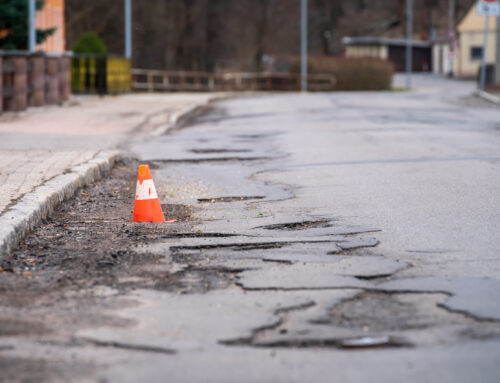
Hot mix patching is the most effective and long-lasting repair and is best performed in the main paving season. When winter makes hot mix unavailable, Armored Asphalt uses cold patch as a temporary solution. We can patch targeted areas up to 10 inches by 20 inches to bridge you through winter and keep vehicles safer. In spring, we replace temporary patches with proper hot mix repairs.
Weather-Smart Scheduling Tips
Proactive planning helps you secure the best time for asphalt paving and avoid delays. Consider the following tips when you are getting ready to schedule.
- Book early for summer and early fall dates, especially for commercial lots
- Build in a weather buffer of a few days to allow for rescheduling if rain pops up
- Aim for morning start times so crews can take advantage of the full warmth of the day
- Clear the work area of vehicles, debris, and landscaping obstacles ahead of time
- Confirm drainage plans and base repairs before paving to prevent early distress
- Coordinate striping plans in advance if you manage a commercial lot
- Check HOA or municipal requirements early so permits do not delay your project
- Avoid scheduling heavy deliveries or moving trucks for several days after paving
- Plan sealcoating for the following season to protect new asphalt after it cures
How Armored Asphalt Plans Around Wisconsin Weather
Local expertise matters when timing a paving project. Armored Asphalt is based in Kenosha and understands the microclimates across southeast Wisconsin and northeast Illinois. We track hourly forecasts, surface temperatures, and wind conditions to choose paving windows that set your project up for success. Our crew tailors compaction methods and mix choices to the season. We maintain clean joints, manage lift thickness for the conditions, and confirm proper density before opening your pavement to traffic. When weather shifts unexpectedly, we communicate clearly and reschedule fast to protect quality.
Common Mistakes to Avoid
Choosing the best time for asphalt paving is the first step. Avoid these pitfalls to get the most from your investment.
- Rushing to pave before rain or a cold snap
- Skipping base repairs or drainage improvements
- Paving in shaded, cold areas too late in the season
- Allowing traffic on the surface before it has cooled and set
- Delaying crack filling and sealcoating until damage spreads
- Ignoring striping and signage needs in commercial lots
Maintenance Timeline After Paving
Proper maintenance starts right away and extends the life of your new surface.
- First 24 to 48 hours: Keep vehicles off the asphalt if possible. Avoid sharp turns, kickstands, and jack stands.
- First 1 to 2 weeks: Limit heavy loads. Park in different spots to prevent tire depressions in hot weather.
- First season: Monitor drainage after rain. Address any standing water with Armored Asphalt.
- 6 to 12 months: Plan your first sealcoat at the right time of year to lock out water and UV damage.
- Every year before winter: Fill new cracks to stop water infiltration and freeze damage.
Frequently Asked Questions About Timing
What is the best time for asphalt paving in Wisconsin?
The prime window is mid-June through August, with late spring and early fall also offering excellent conditions. Aim for warm, dry days with surface temperatures above 50 degrees and rising.
How late in the fall can you pave?
In southeast Wisconsin, most paving wraps up by mid to late October. Once daytime highs drop into the 40s and nights approach freezing, quality becomes harder to guarantee.
Can you pave in light rain?
No. Rain can cool the mix too fast and trap moisture. We schedule around rain to protect compaction and bond.
How long before I can drive on new asphalt?
Light foot traffic is usually fine after several hours. For vehicles, we recommend waiting 24 to 48 hours depending on temperatures and project specifics.
When should I sealcoat after paving?
Many residential projects benefit from sealcoating within 6 to 12 months, scheduled during warm, dry weather. Armored Asphalt uses a two-coat system for lasting protection.
Do you offer temporary repairs in winter?
Yes. We provide cold patch pothole repairs as a temporary fix and return in warm weather with hot mix for permanent patches. We also offer commercial snow plowing in Kenosha, Pleasant Prairie, and Racine.
What areas do you serve?
Armored Asphalt serves homeowners and businesses across southeast Wisconsin and northeast Illinois from our Kenosha base.
Armored Asphalt Services
Armored Asphalt delivers a complete lineup of asphalt solutions tailored to the seasons. We install durable driveways and parking lots, perform hot mix patching and pothole repairs, apply high-grade rubberized crack fill, provide two-coat sealcoating, and stripe parking lots to your specifications. In winter, our commercial snow plowing keeps properties clear and safe. We make it easy to schedule the right service at the right time so your pavement looks better and lasts longer.
Where We Work
Our local team proudly serves these communities and the surrounding areas:
- Kenosha
- Pleasant Prairie
- Paddock Lake
- Salem
- Burlington
- Union Grove
- Yorkville
- Raymond
- Caledonia
- Mount Pleasant
- Sturtevant
- Racine
- Winthrop Harbor
- Zion
- Beach Park
- Waukegan
- Gurnee
Why Choose Armored Asphalt
Choosing the best time for asphalt paving is easier with a trusted local partner. Armored Asphalt brings seasoned crews, reliable equipment, and weather-smart planning to every job. We are committed to clear pricing, honest timelines, and careful site protection. From base prep and paving to sealcoating and striping, we handle the details that extend pavement life. Our work stands up to Wisconsin winters and heavy use because we build it for local conditions.
Schedule Your Project in the Best Season
If you want your driveway or parking lot finished during the best time for asphalt paving, reach out early. We will inspect your site, confirm the right scope, and hold dates that align with ideal temperatures and forecast conditions. Ready to get started? Contact Armored Asphalt for a free estimate. Call us at (262) 515-4150 or email armoredsealcoating@gmail.com. Our team will help you choose the right window, the right service, and the right maintenance plan for long-lasting results.
Quick Takeaways
- The best time for asphalt paving in Wisconsin is mid-June through August, with late spring and early fall also performing well
- Target air temps of 60 to 85 degrees, surface temps above 50 degrees and rising, and dry conditions
- Book early to secure summer and early fall dates for residential and commercial projects
- Use cold patch as a temporary winter fix and return for hot mix repairs in warm weather
- Protect your investment with crack filling before winter and two-coat sealcoating in the warm season
When you are ready to plan around the best time for asphalt paving, Armored Asphalt is here to help. We will schedule your project when the weather favors superior compaction, strong bonds, and a clean finish that lasts.