Choose the right fix the first time
If your driveway or parking lot is cracked, uneven, or holding water, you are likely weighing two options: a full asphalt removal and replacement or a new asphalt overlay. Both can make pavement look fresh again, but they do not deliver the same long-term value. This guide breaks down costs, lifespan, and risk so you can choose the smartest path for your property. Armored Asphalt serves homeowners and businesses across southeast Wisconsin and northeast Illinois with honest evaluations and high-quality work. If you want an expert to inspect your pavement and explain your options, call (262) 515-4150 or email armoredsealcoating@gmail.com.
What is asphalt removal vs. overlay?
Full asphalt removal and replacement
Full asphalt removal, often called rip and replace, means demolishing the existing asphalt surface and in many cases repairing or rebuilding the base below it. After the old pavement is removed, crews compact and grade the base, add aggregate as needed, check drainage, and then install a new asphalt mat with the right thickness for the traffic load. This option corrects structural problems and gives you a brand-new pavement system from the ground up.
Asphalt overlay
An overlay places a new asphalt layer on top of the existing pavement after surface preparation. Contractors clean the surface, grind down transitions, mill high spots, fill potholes and larger cracks, and then install a new lift of asphalt. When the foundation is sound, an overlay can quickly restore smoothness and add years of use at a lower upfront cost than full asphalt removal.
Partial removal and milling
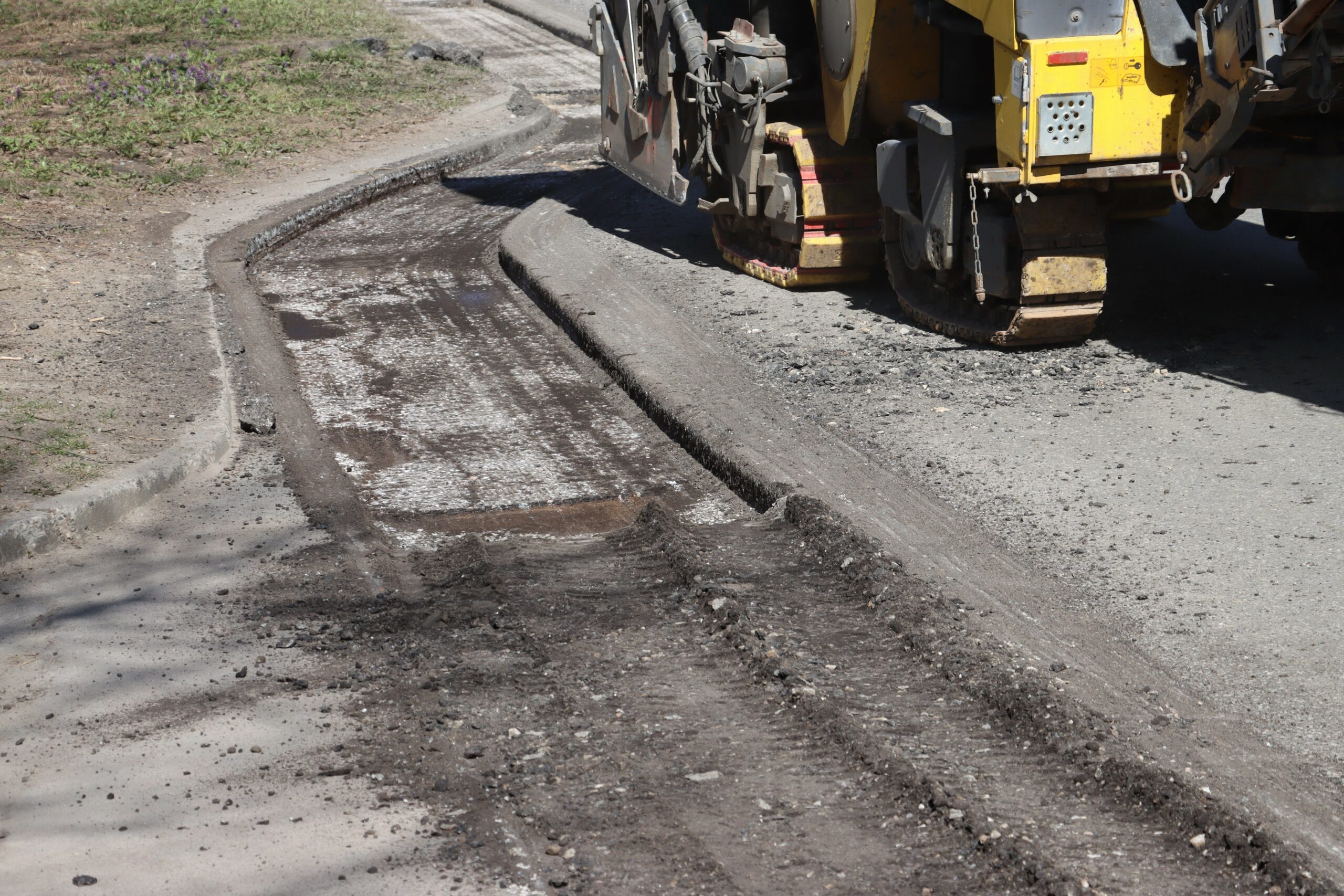
Some projects require milling or partial depth removal. Milling shaves away a controlled thickness of the old asphalt to improve smoothness, restore curb reveal, or prepare the surface for an overlay. Partial depth removal targets areas with deeper damage, such as alligator cracking or rutting, without removing the entire lot. Armored Asphalt often combines milling, patching, and overlay to optimize cost and performance when the base is still stable.
Which option saves money long-term?
There is no one-size-fits-all answer. Long-term savings depend on your pavement’s current condition, the quality of the base, climate, use, and maintenance plan. In southeastern Wisconsin and northeastern Illinois, freeze-thaw cycles, snow plowing, and de-icers add stress to asphalt. The decision often comes down to total cost of ownership: what you pay today plus what you will spend over the next 10 to 20 years.
Key cost factors to consider
- Base condition: If the base is soft, pumping water, or settling, overlays will fail sooner. Full asphalt removal and base repair cost more upfront but prevent repeating overlays and constant patching.
- Drainage: Standing water weakens asphalt. Correcting drainage during removal and replacement can add decades of life compared to overlaying a lot that puddles after rain.
- Thickness and traffic: Driveways carry light loads, but commercial lots handle heavier vehicles and turning forces. Heavier use requires thicker mats and possibly full-depth repair.
- Elevation and transitions: Overlay raises the surface. That can create trip hazards at sidewalks, drainage issues near garages, or plow-catching edges unless milled down or fully rebuilt.
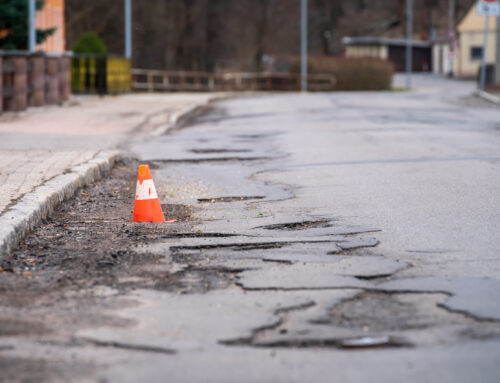
- Crack severity: Widespread alligator cracking or base movement will reflect through an overlay, often within one or two seasons. Structural failures favor full removal.
- Maintenance plan: Sealcoating, crack filling, and timely patching extend life for both solutions, lowering total costs over time.
Lifespan comparisons in our climate
- Overlay on a sound base: 8 to 12 years with consistent maintenance. Proper crack filling and sealcoating can push closer to the high end.
- Overlay on a weak base: 2 to 5 years before significant reflective cracking and settlement return.
- Full removal and replacement with base repair: 15 to 25 years or more, depending on thickness, traffic, and maintenance.
Risks and hidden costs to watch for
- Reflective cracking: Existing cracks can telegraph through an overlay as the underlying pavement moves. This risk is high when cracks are structural.
- Raised grade: Overlaying without milling can create water intrusion at garage slabs, door thresholds, and curbs. Water damage can cost far more than paving.
- Patchwork fatigue: Repeated patches and thin overlays over a failing base lead to higher lifetime spending and frequent disruptions.
- Winter damage: In our freeze-thaw region, moisture under weak areas expands and contracts, accelerating failure if the base is not addressed.
When an overlay makes sense
Overlay is typically the better budget choice when the surface is tired but the foundation is still strong. Armored Asphalt recommends overlay when the following are true:
- Cracks are mostly non-structural and isolated, with no widespread alligator cracking.
- There are no soft spots, pumping water, or major heaves and depressions.
- Drainage works, with no chronic puddles after storms or snowmelt.
- Curbs, aprons, and garage thresholds can be protected with milling and careful transitions.
- You plan to maintain the new surface with regular crack filling and sealcoating.
When full asphalt removal is the smarter choice
Choose asphalt removal and replacement when surface-level fixes will not solve core problems. Signs you need a full rebuild include:
- Base failure, which shows up as pumping water, spongy spots, or significant settlement.
- Widespread alligator cracking and fatigue, not just a few isolated areas.
- Poor drainage that causes standing water or ice in winter.
- Multiple past overlays that have built up the surface and trapped issues underneath.
- Heavy traffic use, such as delivery routes, dumpsters, or frequent turning by large vehicles.
How Armored Asphalt evaluates your pavement
Armored Asphalt uses a structured evaluation to recommend the most cost-effective solution for your property in Kenosha, Racine, Pleasant Prairie, Mount Pleasant, Zion, Waukegan, and nearby communities.
- Interview and goals: We ask how you use the space, peak traffic times, and long-term plans.
- Surface inspection: We document cracking types, rutting, patches, and heaves.
- Base assessment: We probe for soft spots, check load-bearing strength, and evaluate moisture.
- Drainage review: We look at slopes, puddles, downspouts, and nearby grading.
- Elevation mapping: We measure curb, apron, and door thresholds to avoid trip hazards.
- Core or test areas: If needed, we perform test digs or cores to verify base quality.
- Written plan: We present clear options with pros, cons, and maintenance expectations.
Our process for asphalt removal and replacement
When full asphalt removal is the right call, Armored Asphalt follows proven steps to ensure your new surface lasts.
- Jobsite prep and safety: We secure the site, mark utilities, and plan traffic flow.
- Demolition: We remove existing asphalt down to the base and haul off debris.
- Base repair: We regrade, add and compact aggregate, and correct weak zones.
- Drainage corrections: We adjust slopes and, if needed, add drains or swales.
- Tack coat: We apply a bonding agent where required for strong adhesion.
- Paving: We place hot mix asphalt in one or more lifts based on design thickness.
- Compaction: We roll to density for a smooth, tight surface.
- Detailing: We match transitions at aprons, sidewalks, and utility covers.
- Clean up: We leave the site neat and ready for use after proper curing time.
Our process for overlays that last
When an overlay is appropriate, the difference between a quick fix and a durable improvement is the prep work. Armored Asphalt emphasizes thorough preparation.
- Cleaning: We power clean the surface to remove dust, debris, and vegetation.
- Milling: We grind high spots and transitions to maintain proper elevations.
- Patching: We perform hot mix patching on any failed areas before paving.
- Crack treatment: We clean and fill larger cracks to reduce reflective cracking.
- Tack coat: We apply a tack coat for a strong bond between layers.
- Overlay install: We pave a new lift matched to traffic loads and budget.
- Compaction and finish: We roll for density and smoothness.
- Striping: For commercial lots, we re-stripe to your layout and ADA requirements.
Budget planning and sample cost ranges
Every site is different, but rough ranges help plan. Prices vary with oil markets, access, thickness, elevation work, drainage improvements, and square footage. The numbers below reflect typical work in southeast Wisconsin and northeast Illinois and are for guidance only. A site visit is the best way to get an accurate proposal.
- Residential driveway overlay on a sound base: often 1.5 to 2 inches of new asphalt. Typical range: 1.75 to 3.50 per square foot.
- Commercial lot overlay with milling and patching: Typical range: 2.50 to 5.00 per square foot, depending on prep and striping needs.
- Full asphalt removal and replacement for residential driveways: Typical range: 4.50 to 8.50 per square foot, with higher cost if base reconstruction is needed.
- Full-depth removal and replacement for commercial lots: Typical range: 6.00 to 12.00 per square foot, based on thickness, phasing, traffic control, and drainage improvements.
While overlays cost less up front, a failing base can make them a short-term fix. In that case, repeated minor overlays and frequent patches can exceed the cost of one proper removal and rebuild. Armored Asphalt will help you compare total costs over a 10 to 20 year window so you can decide with confidence.
Maximize ROI with smart maintenance
Whether you choose an overlay or full asphalt removal, maintenance protects your investment. Armored Asphalt offers maintenance plans to keep your surface in top shape.
- Crack filling: Use high-grade rubberized crack fill annually or as needed, especially before winter.
- Sealcoating: Apply a two-coat system to protect from UV, water, and salts. This can double the time between major repairs.
- Patching and pothole repair: Hot mix patching is the long-term fix. Cold patching is a temporary winter option for safety.
- Pavement striping: Refresh lines for safety and compliance after sealing or paving.
- Snow plowing: Proper plowing and de-icing reduce damage. Armored Asphalt plows commercial properties in Kenosha, Pleasant Prairie, and Racine.
- Drainage checks: Keep downspouts directed away from pavement and clean catch basins.
Real-world examples
Home driveway with aging surface, solid base
Cracks are narrow and isolated. No puddling. The apron height allows a slight raise after milling the transition. An overlay adds 8 to 12 years of life at a lower upfront cost. Sealcoating every two to three years protects the surface.
Small business lot with ponding and alligator cracking
Water sits near the entry and flexes the base. Patches keep reappearing. An overlay would delay but not solve the problem. Full asphalt removal with base repair and regrading improves drainage and stops the cycle of failure, saving money over 10 years.
Common questions about asphalt removal and overlays
How long does asphalt removal take?
Most residential driveways take one to three days depending on size and weather, plus curing time before driving. Commercial lots vary with phasing, traffic control, and repairs. Armored Asphalt works with you to schedule in low-traffic windows and minimize downtime.
Can I overlay after crack filling and sealcoating?
Yes, but the surface must be cleaned and prepared properly. Sealcoat residue and dirt reduce bond strength. We will mill, clean, and apply tack coat to ensure a strong, long-lasting overlay.
Will winter weather affect the decision?
In our freeze-thaw climate, base stability is critical. If you see heaving or pumping water, a full asphalt removal is often best. For overlays, late spring through early fall is ideal. If winter is near, we can use cold patch as a temporary safety fix and schedule full work when temperatures allow proper compaction and bonding.
Do I need permits?
Some municipalities require permits for driveway approaches, curb cuts, or work in the right-of-way. Armored Asphalt will advise you on local rules in Kenosha, Racine, Mount Pleasant, and nearby areas and handle required permits when applicable.
How thick should the new asphalt be?
Thickness depends on use. Many residential driveways perform well with 2.5 to 3 inches compacted thickness in two lifts. Commercial lots may require 3 to 6 inches or more, depending on traffic and base strength. We design thickness for your specific loads, not a one-size approach.
Why property owners choose Armored Asphalt
- Local knowledge: We understand the soils, weather, and municipal standards in southeast Wisconsin and northeast Illinois.
- Honest guidance: We recommend asphalt removal only when it is the best long-term value and propose overlays when they make sense.
- Full-service team: Paving, patching, crack filling, sealcoating, striping, and snow plowing keep your pavement protected year-round.
- Quality materials: We use high-grade mixes, rubberized crack fill, and a two-coat seal system for durability.
- Clear communication: You get a detailed plan, schedule, and maintenance roadmap.
Service area
Armored Asphalt serves Kenosha, Pleasant Prairie, Paddock Lake, Salem, Burlington, Union Grove, Yorkville, Raymond, Caledonia, Mount Pleasant, Sturtevant, Racine, Winthrop Harbor, Zion, Beach Park, Waukegan, and Gurnee.
Get a professional evaluation
Unsure whether to choose an overlay or full asphalt removal for your driveway or parking lot? Schedule a site visit. Armored Asphalt will inspect your pavement, test the base as needed, and provide an honest comparison of cost, lifespan, and risk. Make the smart long-term choice and protect your investment. Call (262) 515-4150 or email armoredsealcoating@gmail.com to get started today.