Asphalt milling vs overlay: compare costs, durability, and downtime for worn parking lots. Learn when milling makes sense and when to overlay. Get your answer now from the local pros at Armored Asphalt.
What is asphalt milling?
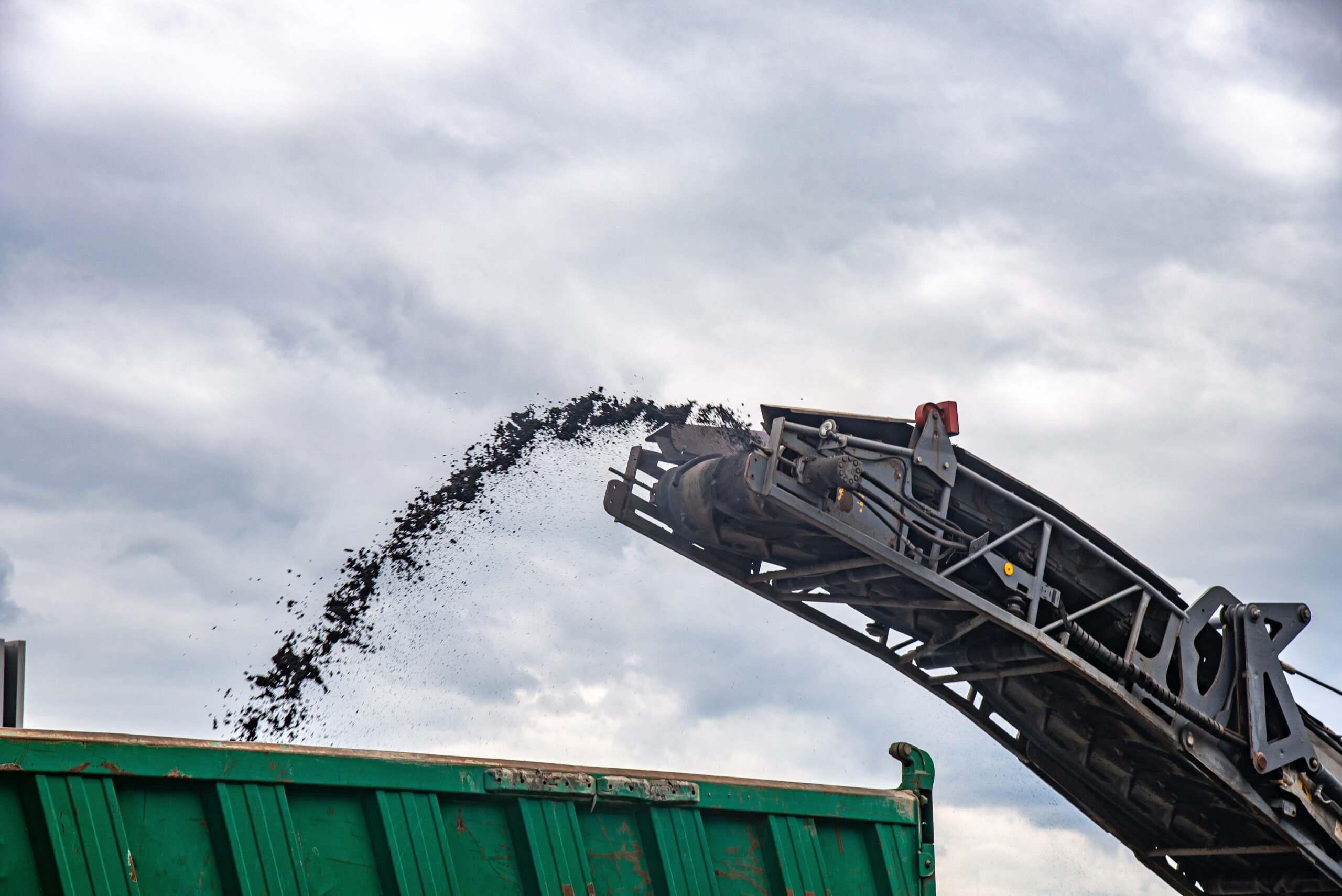
Asphalt milling is the process of removing a controlled thickness of old asphalt to create a smooth, even surface that is ready to receive fresh pavement. Instead of tearing out the entire parking lot, a milling machine grinds off the top layer and leaves the base layer intact. This technique corrects surface damage, removes ruts and bumps, and sets the right height so your lot drains well and does not rise above curbs or sidewalks.
Because asphalt milling recycles the removed material, it is one of the most sustainable ways to restore a parking lot. The milled asphalt can be hauled to a plant, reprocessed, and used in new mixes. The result is less waste and a better fit for budgets that need lasting improvements without a full rebuild.
- Removes only the damaged layers while protecting the base
- Improves drainage and eliminates puddling and birdbaths
- Keeps curb and ADA ramp heights within code
- Reduces project cost compared to full excavation
- Allows quick return to service for busy commercial lots
- Recycles the old asphalt into new mixes
How asphalt milling works step by step
- Armored Asphalt inspects and measures the lot to set a milling depth and plan for transitions.
- A milling machine grinds the surface to the target depth and loads the removed asphalt into trucks.
- Crews sweep and clean the milled surface to remove dust and debris.
- If needed, base repairs or patching are completed to reinforce weak spots.
- A tack coat is applied to bond the new asphalt to the milled surface.
- Fresh hot mix asphalt is paved, compacted, and rolled to the correct slope and smoothness.
- Striping and pavement markings are applied after proper cooling.
What is an asphalt overlay?
An asphalt overlay is a new layer of asphalt paved over an existing surface. Unlike asphalt milling, an overlay does not remove as much of the old pavement first. It is often used when the base is stable and the surface wear is moderate. An overlay improves appearance, smooths minor defects, and adds years of life with less disruption than full replacement.
- Good option when the base is strong and cracks are limited
- Faster and often less expensive up front than deeper repairs
- Refreshes faded, brittle, or rough surfaces
- Pairs well with crack filling and localized patching
When an overlay is not enough
- Widespread alligator cracking that signals base failure
- Large potholes that keep returning after patching
- Drainage problems that cause standing water
- Heaving, rutting, or significant low spots
- Height constraints near curbs, doors, or drains
Asphalt milling vs overlay: cost, durability, and downtime
Cost comparison
Both methods are more budget friendly than full removal and replacement, but which one costs less depends on the condition of your parking lot. Overlay tends to be the lowest initial cost if the surface is in fair shape and only minor repairs are needed. Asphalt milling can save money long term by fixing grade and height issues and by removing damaged material that would shorten the life of a simple overlay.
Costs vary by thickness, area, access, and location. In southeast Wisconsin and northeast Illinois, factors that influence price include milling depth, hot mix asphalt type, base repairs, and striping needs. Armored Asphalt provides clear, itemized quotes so you can compare options line by line and choose the approach that fits your budget and performance goals.
- Overlay is often lower cost if base support is strong
- Asphalt milling adds value when levels and drainage need correction
- Full-depth repairs in bad areas may be combined with milling or overlay
- Recycling credits and material savings can lower milling costs
Durability and performance
Overlay extends the life of a sound pavement, but it cannot cure problems buried in the base. If the base is weak, a new surface may look good for a season but cracks will reflect through. Asphalt milling removes distressed layers and improves bonding for the new lift, which can boost durability. In a freeze-thaw climate like Kenosha and Racine, better drainage and proper thickness help your parking lot resist cracking and potholes over the winter.
Downtime and business disruption
Both asphalt milling and overlay can be phased to keep sections of your lot open. Overlays are quick because they do not require deep removal. Milling adds a step but still moves fast with the right equipment. Many commercial lots can be milled and paved in stages to allow access for customers and deliveries. Armored Asphalt builds schedules around your peak hours, coordinates signage, and works efficiently to reduce downtime.
Sustainability and recycling
Asphalt is the most recycled material in America. Asphalt milling shines here because the process captures and reuses the exact material removed. Overlay also supports recycling when the plant adds reclaimed asphalt pavement to the mix. Choosing either option over full replacement typically reduces truck trips, energy use, and waste.
Signs your worn parking lot needs asphalt milling
- Standing water or poor drainage during rains
- Curb or door thresholds are already high and cannot handle added thickness
- Surface ruts or shoving from heavy traffic
- Widespread surface cracking or raveling across large areas
- Large patches at different heights that create bumps
- Need to reset elevations near drains, ramps, or sidewalks
When a standard overlay makes sense
- The base is firm and well drained with minimal movement
- Cracking is limited and can be crack filled first
- Only minor potholes or isolated failures exist
- Height increases will not create trip hazards or code issues
- Your goal is to restore smoothness and appearance quickly
How to choose: a simple decision framework
- Assess the foundation. If the base is unstable, plan for milling with targeted full-depth repairs.
- Check elevations. If adding thickness would cause height or drainage problems, choose asphalt milling.
- Review cracking and patches. If defects are shallow and scattered, an overlay after crack filling may be enough.
- Consider traffic loads. Heavy truck traffic benefits from milling and a structural overlay for strength.
- Match budget to goals. If you need the longest life per dollar, milling plus overlay often delivers better ROI than overlay alone.
Full-depth replacement vs asphalt milling vs overlay
Full-depth replacement removes all asphalt and often rebuilds the base. It is the most costly and disruptive option but sometimes necessary when the foundation is failing across the whole lot. Asphalt milling targets the damaged layers and sets the platform for a strong, bonded surface. Overlay refreshes the top without major removal. Many commercial projects use a blended approach: mill overall, perform full-depth patches in the worst areas, then overlay the entire lot for a uniform finish. Armored Asphalt helps you select the right combination so you avoid overspending while fixing the real problems.
Why local climate matters
Parking lots in southeast Wisconsin and northeast Illinois face freeze-thaw cycles, snow, ice control chemicals, and plowing. Water that seeps into cracks will expand when it freezes, which speeds up damage. Asphalt milling improves drainage and surface profile so water sheds faster. Pair that with a quality overlay and proper compaction to resist moisture intrusion. After paving, regular crack filling and sealcoating protect your investment through each winter.
How Armored Asphalt evaluates your parking lot
Armored Asphalt is a local asphalt paving and maintenance company based in Kenosha, Wisconsin. We serve homeowners and businesses throughout southeast Wisconsin and northeast Illinois, including Racine, Mount Pleasant, Pleasant Prairie, Zion, and surrounding communities. Our experienced team uses a practical evaluation process to recommend asphalt milling, overlay, or a combined plan.
- Walk-through and measurement of the entire lot
- Identification of base failures, drainage issues, and height constraints
- Documentation of cracks, ruts, patches, and potholes
- Recommendations with clear scopes for milling, overlay, or replacement
- Phased scheduling to keep your business open
- Itemized pricing to compare options with confidence
What to expect with an Armored Asphalt milling project
Typical milling and overlay timeline
- Site prep and traffic control plan for safe access
- Milling of the surface to the planned depth
- Cleaning and inspection of the milled surface
- Base repairs or patching where needed
- Tack coat application for strong adhesion
- Paving and compaction of the new asphalt layer
- Curing period followed by fresh striping and markings
Typical overlay timeline without milling
- Crack sealing and localized patching
- Cleaning the surface for proper bond
- Tack coat application
- Paving the overlay at the specified thickness
- Rolling and compaction for smoothness
- Striping after the pavement cools
Services that protect your new surface
Armored Asphalt does more than pave. Our maintenance services extend the life of your investment so you get the best value year after year.
- Paving: Durable, smooth blacktop for driveways and parking lots
- Patching and pothole repair: Hot mix patching for long-lasting fixes and cold patch as a temporary winter solution
- Sealcoating: Two-coat system to shield from sun, water, and salt, helping pavement last twice as long between sealing
- Crack filling: High-grade rubberized crack-fill to seal out water and prevent growth of cracks
- Pavement striping: Clean, highly visible lines and ADA markings as part of our commercial maintenance plans
- Snow plowing: Commercial plowing in Kenosha, Pleasant Prairie, and Racine to keep lots safe during winter
Frequently asked questions about asphalt milling and overlay
Can you overlay after asphalt milling?
Yes. Milling is often followed by a structural overlay. The milled surface creates a strong bond for new asphalt and lets the crew dial in the correct elevation for drainage and curb height.
How long will a milled and overlaid parking lot last?
Service life depends on base condition, traffic, weather, and maintenance. In our area, a well-executed milling and overlay project that is maintained with crack filling and sealcoating can deliver many years of reliable service. Armored Asphalt tailors thickness and mix to your load and use to maximize longevity.
Is an overlay enough if I have a lot of cracks?
If cracks are shallow and the base is stable, crack filling followed by an overlay can work well. If cracks show alligator patterns or come from base movement, milling and base repairs are the better choice to prevent reflective cracking.
Will milling damage my base?
No. Asphalt milling removes only the top layers. The process is controlled by depth to protect the base. If the base needs repair, we address it after milling and before paving.
How soon can customers drive on a new surface?
In many cases light traffic can return within 24 hours, depending on temperature and mix. Armored Asphalt will set traffic control timing to keep your site safe and productive.
Common mistakes to avoid
- Overlaying a failing base. The surface will crack again quickly.
- Ignoring drainage. Poor slope causes puddles that lead to potholes.
- Skipping crack filling before overlay. Water will find its way into the structure.
- Adding too much height near curbs and doorways. This can create trip hazards and code issues.
- Choosing the lowest bid without scope clarity. Make sure you compare equal plans and materials.
Your local partner for asphalt milling and overlay
Armored Asphalt is proud to be a trusted local company based in Kenosha, Wisconsin. We bring strong technical knowledge and a customer-first approach to every project. Whether you manage a small retail lot in Pleasant Prairie or a large industrial site in Waukegan, we recommend the solution that fits your pavement, schedule, and budget. Our team stands behind the work and communicates clearly from the first visit to the final stripe.
Service areas
- Kenosha
- Pleasant Prairie
- Paddock Lake
- Salem
- Burlington
- Union Grove
- Yorkville
- Raymond
- Caledonia
- Mount Pleasant
- Sturtevant
- Racine
- Winthrop Harbor
- Zion
- Beach Park
- Waukegan
- Gurnee
Get a clear, customized plan for your parking lot
If your parking lot is worn, cracking, or holding water, you do not have to guess between asphalt milling and overlay. Armored Asphalt will inspect your site, explain the pros and cons for your exact conditions, and deliver a detailed quote. We will help you balance cost, durability, and downtime so you make the right choice the first time.
Call Armored Asphalt at (262) 515-4150 or email armoredsealcoating@gmail.com to schedule your on-site assessment. Ask about phased construction to keep traffic flowing and about maintenance plans that protect your new surface through Wisconsin winters. When you are ready for results you can see and savings you can measure, our team is ready to help.
Bottom line: asphalt milling vs overlay
If your lot needs height control, drainage correction, or removal of distressed layers, asphalt milling plus a new surface is the smart investment. If your base is sound and defects are shallow, an overlay after proper prep can restore ride quality and curb appeal quickly. Either way, your success depends on a careful evaluation, solid materials, and skilled installation. That is exactly what you get with Armored Asphalt.