
What Driveway Sealcoating Really Does
When you look at a freshly sealed driveway, the first thing you notice is the deep black finish and crisp edges. That new look is appealing, but the big question many Kenosha and Racine homeowners ask is simple. Is driveway sealcoating worth it, or is it just cosmetic? The short answer is that driveway sealcoating protects the surface against water, sun, salt, oil, and daily wear. It also boosts curb appeal, which matters when you care about your home or plan to sell. If your asphalt is in fair to good condition, sealcoating is usually a smart, cost-effective way to make it last longer. If your asphalt is failing, sealcoating is not a cure. As a local paving and maintenance contractor, Armored Asphalt helps homeowners and businesses across southeast Wisconsin and northeast Illinois decide the right time to sealcoat and the right time to repair or repave.
How Sealcoating Works
Driveway sealcoating is a protective layer applied to the top of asphalt. It acts like sunscreen and a raincoat for your driveway. The sealer, often an asphalt emulsion with added minerals and sand, fills tiny surface voids and creates a uniform barrier. This barrier helps block moisture from soaking into the asphalt and slows oxidation from UV rays. With a proper two-coat application and the right prep, a sealed driveway resists damage better than bare pavement and is easier to maintain year after year. Armored Asphalt uses a two-coat system to provide an even finish and stronger protection, which helps your pavement last longer between service cycles.
Benefits That Are More Than Cosmetic
Moisture Defense in Freeze-Thaw Climates
Water is the number one enemy of asphalt. When water seeps into tiny gaps, it can freeze and expand in winter. That expansion breaks pavement apart. Driveway sealcoating reduces water penetration so your driveway is better prepared for Wisconsin winters. This is especially important in areas like Kenosha, Racine, Mount Pleasant, and Waukegan, where snow, ice, and road salt are common.
Protection From Sun and Oxidation
The sun dries out asphalt over time. That leads to a faded gray color and brittle surface. A sealed surface limits exposure to UV rays and slows aging. That means your driveway stays flexible and holds together longer under vehicle traffic.
Resistance to Oil, Gas, and Salt
Leaks from vehicles and deicing products can stain and soften asphalt. A quality sealer creates a tighter surface that is less likely to absorb fluids. Spills are easier to clean, and the driveway is less likely to pit or ravel.
Cleaner Look and Better Safety
While protection is the main benefit, there is no denying the fresh look. Driveway sealcoating gives a rich, uniform color that can make an entire property look cared for. When sand is mixed into the sealer, it also adds light texture for better traction underfoot. Armored Asphalt includes sand for traction and durability so your driveway looks good and feels safe.
Cost, Lifespan, and ROI
Most homeowners think about cost first, and that makes sense. In the Kenosha and Racine area, professional driveway sealcoating typically runs somewhere in the range of 20 to 50 cents per square foot, depending on size, condition, and prep needs. Crack filling adds cost but is essential to stop water from getting under the asphalt. High-grade rubberized crack fill often runs by the linear foot. These are general ranges and actual pricing depends on site conditions, but they offer a useful comparison.
Now compare that to replacing a driveway, which commonly costs several dollars per square foot, with larger or more complex driveways costing more. When you look at the math, sealing and maintaining your driveway on a 2 to 3 year cycle usually costs a small fraction of replacement. By slowing wear, sealcoating can help you delay major repairs, reduce patching, and extend the useful life of your asphalt. Many homeowners see that as a strong return on a relatively small maintenance investment.
Here is a simple example. A 1,000 square foot driveway sealed every 2 to 3 years might cost a few hundred dollars per service. If that helps you avoid even one early replacement or a series of big repairs, you will likely save thousands over the life of the driveway. Armored Asphalt’s two-coat process and focus on prep mean your driveway gets strong coverage that lasts, which improves value between service visits.
When Driveway Sealcoating Is Not Worth It
There are times when driveway sealcoating will not fix the root problem. If any of the issues below describe your driveway, a repair or repave may be the better first step.
- Severe alligator cracking, where the asphalt looks like a reptile skin pattern
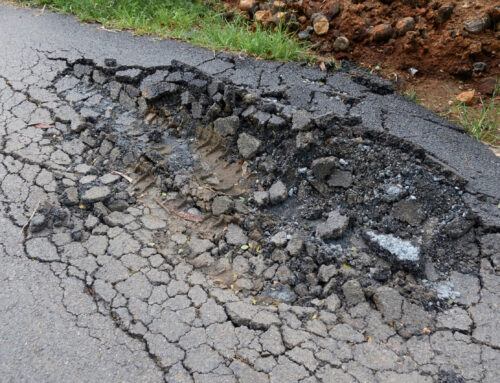
- Large potholes, sunken areas, or signs of base failure under the asphalt
- Big drainage problems, standing water, or heaving from freeze action
- Extensive raveling where stones are popping out and the surface is coming apart
- Edges that are crumbling away or broken beyond simple patching
- New asphalt that has not cured. Fresh asphalt usually needs a full season before sealing
- Concrete or gravel surfaces. Sealcoating is made for asphalt, not concrete or gravel
- Cold temperatures or rain in the immediate forecast that would prevent proper curing
If you are not sure, call Armored Asphalt for an honest assessment. We handle paving, patching and pothole repair, crack filling, and driveway sealcoating, so we recommend what truly fits your pavement and budget.
DIY vs Professional Sealcoating
It is possible to buy buckets of sealer and do it yourself. That can work on a small, newer driveway if you have the time and tools. The challenge is in the prep and consistency. Skipping proper cleaning, edging, and crack filling limits how long the sealer lasts. Uneven tips or thin passes can also cause streaks. Professional results come from careful prep, high quality materials, and the right spread rates.
- DIY can save some money on materials, but it often takes an entire weekend. Dry time may be longer if you apply it too thick
- Pros use power cleaning, hot or rubberized crack fill, and a two-coat system with sand for traction
- Pros control weather windows and curing, which reduces tracking, peeling, or premature wear
- Professional work typically looks cleaner at edges and around garages, walks, and landscaping
Armored Asphalt brings a skilled crew, commercial-grade equipment, and proven methods to every project. We fill cracks, patch where needed, and apply two coats so the driveway performs and looks great. That is the difference between a quick coat and a long-lasting maintenance service.
What to Expect With Armored Asphalt
- Inspection. We visit your property to evaluate the driveway’s age, condition, drainage, and traffic patterns
- Clear estimate. You receive a written estimate for crack filling, patching if needed, and driveway sealcoating
- Scheduling. We choose a weather window with the right temperatures and no rain in the forecast
- Prep. We power clean the surface, edge along borders, and tape or barricade sensitive areas
- Crack filling. We apply high-grade rubberized crack fill for a tight seal before sealing
- Two-coat sealcoating. We apply an even first coat, allow proper set time, then apply a second coat with sand for traction
- Cure time. Most driveways can handle foot traffic the same day and vehicle traffic after 24 to 48 hours, depending on weather
- Final check. We remove barricades and review care tips so you get the best results
How Often Should You Sealcoat in Southeast Wisconsin
In our area, driveway sealcoating every 2 to 3 years is common. Some low-traffic driveways with lots of shade can go longer. High-traffic driveways that see heavy vehicles or frequent snow plowing may need attention a little sooner. A good rule is to watch the color and surface tightness. When the driveway turns gray, gets dusty at the surface, or you see hairline cracks returning, it is time.
- Heavy traffic shortens time between sealcoats
- Frequent snow plowing or use of hard-blade plows increases wear
- Sun exposure and wind speed up oxidation
- Oil leaks and deicers can break down unsealed surfaces faster
- Proper crack filling reduces water damage between seal cycles
Common Myths About Sealcoating
- Myth. Sealcoating is only for looks. Fact. Curb appeal is a bonus, but the main benefit is protection against water, sun, salt, and chemicals
- Myth. Sealcoating fixes structural problems. Fact. It seals the surface and small flaws. It does not repair base failure or deep cracks
- Myth. You should seal every year. Fact. Over-sealing can lead to peeling. Most driveways do best on a 2 to 3 year cycle
- Myth. All sealers are the same. Fact. Material quality, additives, sand content, and application method make a big difference in durability and traction
- Myth. Thicker is better. Fact. Proper spread rates and two thin coats are better than one thick coat. Thick coats can crack and track
Environmental and Safety Considerations
Modern asphalt emulsion sealers are designed to be safer for homes and businesses than older products. When applied correctly, they cure into a stable film that resists tracking. Adding sand improves traction, which is important near walkways and entrances. Armored Asphalt follows manufacturer guidelines and chooses materials with performance and safety in mind. We also clean up carefully and dispose of waste the right way.
Seasonal Timing and Prep Tips
Good weather is key to a high-quality job. In southeast Wisconsin and northeast Illinois, the best time for driveway sealcoating is late spring through early fall. Warm temperatures and low humidity speed curing and help the sealer bond well. Homeowners can help by preparing the property before the crew arrives.
- Move cars, trailers, and equipment off the driveway and street parking if needed
- Turn off sprinklers and avoid watering the lawn near the driveway the day before and the day of service
- Sweep loose gravel from edges if you can. Our team will power clean, but starting clean helps
- Plan for 24 to 48 hours of no vehicle traffic after sealing, depending on weather
- Keep pets and foot traffic off the surface until it is fully dry
- Mark irrigation heads or low landscape lighting if they sit near the edges
About Armored Asphalt
Armored Asphalt is your local asphalt paving and maintenance company based in Kenosha, Wisconsin. We serve homeowners and businesses throughout southeast Wisconsin and northeast Illinois. Our team delivers superior asphalt services, including paving for driveways and parking lots, crack and pothole repair, driveway sealcoating with a two-coat system, and parking lot striping. We also help keep properties safe in winter with commercial snow plowing in Kenosha, Pleasant Prairie, and Racine. Whether you need a fresh driveway, seasonal maintenance, or a full commercial plan, Armored Asphalt is ready to help.
Our Services
- Paving. Durable, smooth blacktop surfaces for driveways and parking lots that look great and stand up to local weather
- Patching and pothole repair. Hot mix patching for long-lasting fixes and cold patching as a temporary winter option. We can patch areas up to 10 inches by 20 inches and larger with proper methods
- Sealcoating. A two-coat driveway sealcoating process that restores protection and appearance while helping your pavement last longer between services
- Crack filling. High-grade rubberized crack fill applied before sealing and as needed each year before winter
- Pavement striping. Parking lot layout and striping after repairs and sealing to meet your specifications
- Snow plowing. Commercial snow removal for clear driveways, parking lots, and sidewalks in winter
Areas We Serve
- Kenosha
- Pleasant Prairie
- Paddock Lake
- Salem
- Burlington
- Union Grove
- Yorkville
- Raymond
- Caledonia
- Mount Pleasant
- Sturtevant
- Racine
- Winthrop Harbor
- Zion
- Beach Park
- Waukegan
- Gurnee
Frequently Asked Questions
- How soon can I drive on my driveway after sealcoating? Most driveways can handle foot traffic the same day. For vehicles, plan on 24 to 48 hours depending on temperature, sun, and humidity
- Will sealcoating fill cracks? It seals hairline cracks and surface pores. Larger cracks need rubberized crack filling first for a proper seal
- What happens if it rains? We schedule driveway sealcoating during a clear weather window. If rain shows up early, we may reschedule or protect the area. The goal is to avoid washing or spotting during curing
- How long does sealcoating last? Many driveways stay protected and attractive for 2 to 3 years, longer in light-use or shaded conditions
- Will sealcoating stop weeds? It helps by sealing the surface, but weeds that grow through cracks need crack filling and sometimes spot treatment
- Can I sealcoat a brand new driveway? It is better to wait a full season so the asphalt can cure. Your Armored Asphalt estimator will confirm timing
- Will the surface be slippery? We add sand to the sealer for traction, especially important on slopes and near walkways
- Is sealcoating safe for pets and kids after it dries? Yes. Once it cures, the surface is stable and safe for normal use
Is Driveway Sealcoating Worth It?
If your asphalt is in fair to good condition, driveway sealcoating is more than a cosmetic touch-up. It is a practical, affordable way to protect against water, sun, salt, and daily wear. It also gives your property a clean, well kept look. If your driveway has serious structural issues, sealcoating is not the fix. In that case, repairs or repaving must come first, then sealcoating to protect the new investment.
Armored Asphalt makes the process simple with honest advice and a two-coat system that delivers lasting results. We are local, experienced, and focused on workmanship and customer care. To schedule an estimate or get answers to your questions, call Armored Asphalt at (262) 515-4150 or email armoredsealcoating@gmail.com. We are ready to help you decide if now is the right time to sealcoat, repair, or repave so your driveway looks great and lasts longer.